Category: Technical and Tactical Skill
Our quest to review all the skills in Rugby

Figure 1: Overview of skills diagram
Why
Hi, my name is Steve and I am a MSc Student at UCT (Supervisor Sharief Hendricks). As part of my masters’ research I am trying to understand the skills used in rugby union. To achieve this difficult task, I have attempted to create a dynamic working model to categorise all the skills. For simplicity, I have come up with two broad ways of categorizing skills, ‘when’ and ‘what’ (figure 1).
‘When’ refers to the part of a rugby game the skills are used; in open play, the breakdown, or in set-pieces. The second category ‘what’ refers to the type of skill, i.e. is it a technical, perceptual or tactical skill.
When
As seen in figure 1, the category ‘when’ can be broken down into the three distinct phases which make up a game of rugby union; set play, open play, and breakdowns. Set play refers to the starts and restarts of the game, open play to when the ball moves freely around the field and the breakdown refers to instances in the game when open play is interrupted by a tackle, resulting in a ruck or maul. All three phases require different skills.
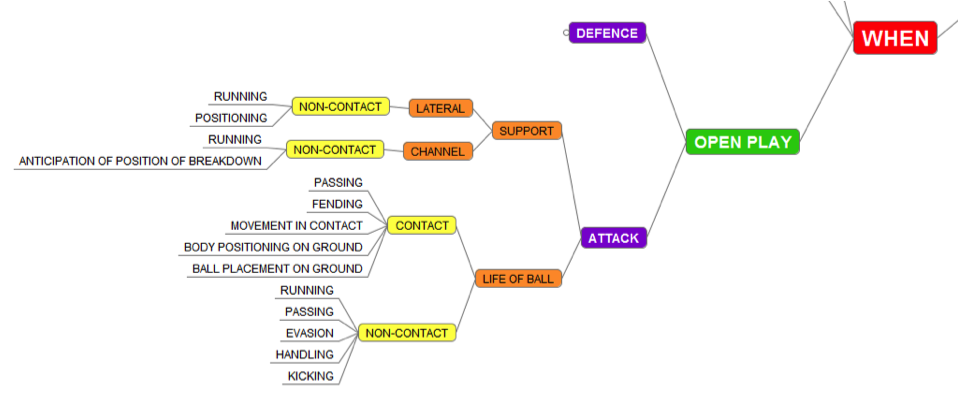
Figure 2: Skills used in attack in open play
The skills used in open play can be separated into the skills used in attack and in defence (figure 2). Figure 2 shows a breakdown of the skills used in attack during open play. These skills in attack can be divided into two mini-units. A mini-unit is a group of players who have the same immediate function. Life of the ball refers to the ball-carrier and their immediate support. The role of this unit is to move the ball forward, through creating and preserving space, striking into the space and supporting the strike. The skills in this category predominantly describe the skills used by the ball-carrier and include non-contact and contact skills. Contact skills are the skills used by the ball-carrier during the tackle and in the immediate breakdown contest before a ruck or maul is formed. The other category, or mini-unit, which makes up attack in open play, is support, referring to the support players not immediately involved in carrying the ball. The support mini-unit can be separated into channel support and lateral support. The lateral support describes the other players in the attacking line, not immediately involved in the life of the ball. These players appropriate the width and depth of the attacking movement. The channel support refers to the players on the inside of the life of the ball, not part of the immediate attacking play, and often includes the forwards.

Figure 3: Skills used in defence in open play
Figure 3 represents the skills used by the defensive players in open play. The role of the defensive team can similarly be separated into mini-units. The first mini-unit, ball defence, refers to the tackler and defenders on either side of them. Similar to the life of the ball, these players use both contact and non-contact skills. Similar to the attack category support can be separated into lateral and channel support. Lateral support are the players in the defensive line not in immediate proximity with the ‘life of the ball’ mini unit. Channel support refers to the defensive players not in the defensive line. The skills used by the channel support mainly revolve around movement and anticipation skills related to being the support players at future breakdowns. The last mini-unit are the deep players, which include the full back and on occasion wingers. These players act as a last line of defence.
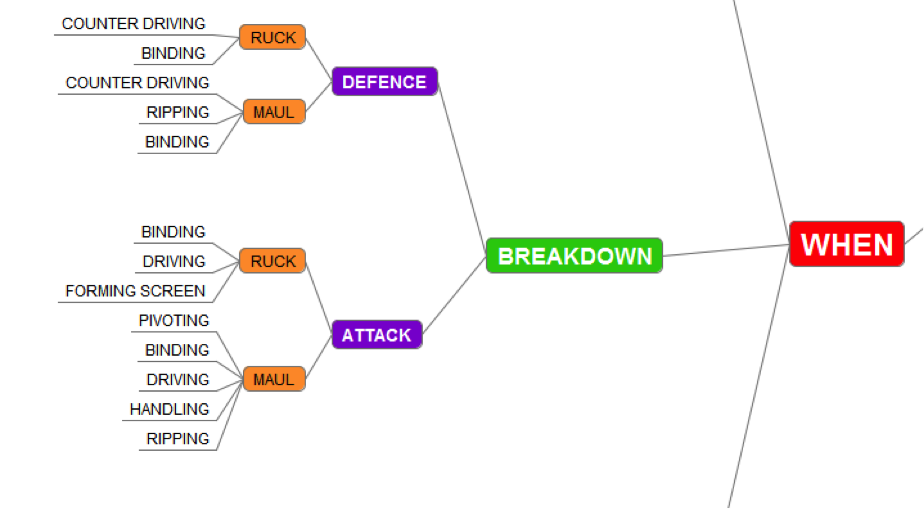
Figure 4: Skills used at the breakdown
Another category of when skills are used in rugby union is the breakdown (figure 4). The skills used in the breakdown were tiered into those used in attack and in defence, and then further into those used in the ruck and those used in the maul. A ruck is formed when at least two opposing players are in contact with each other over a loose ball on the ground (Williams & Bunce, 2012). For this reason, ball placement and movement when tackled and fetching were included in the open play skills diagram, as these skills occur before a ruck is formed. The skills in the ruck therefore refer to those used by the players bound in the ruck, and include binding, driving, and screening. A maul occurs when a ball-carrier is held up by one or more opponents, and one or more of their teammates bind to the ball-carrier (Williams & Bunce, 2012). The ball is therefore in hand, and although in the maul similar skills to those in ruck are used, handling and ripping skills are also included.
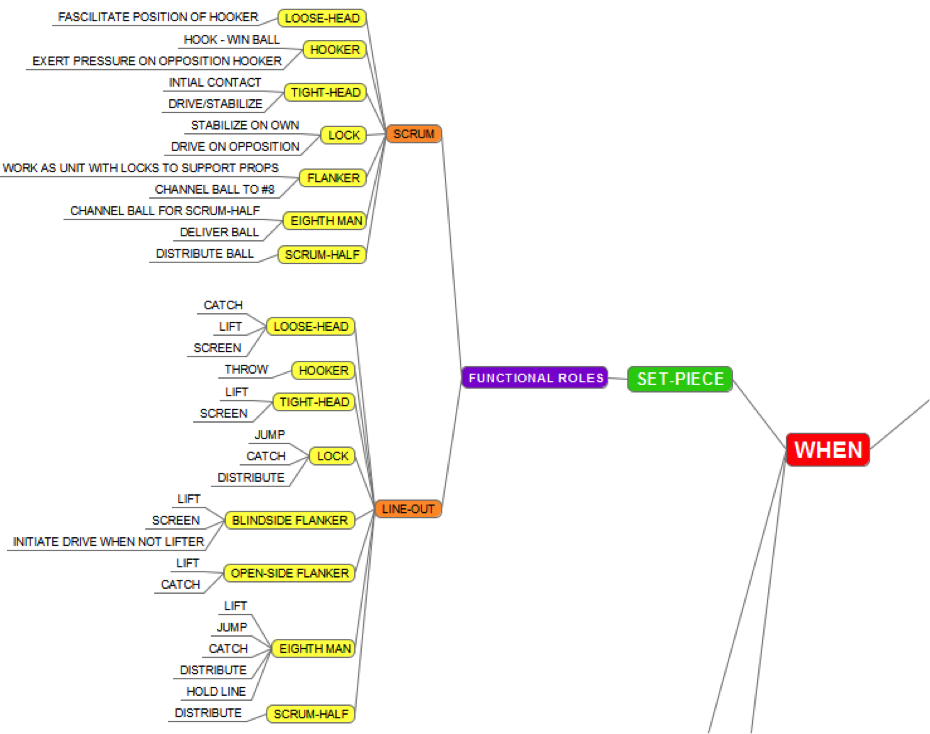
Figure 5: The functional roles at set-pieces and the individual skills required
The third phase of play when skills are used is in set-pieces. Two prominent set-pieces are scrums and line-outs. Scrums and line-outs are technical set-pieces used to restart a rugby game, and require particular players to perform specific functional roles. In figure 5 a brief outline of those roles and the position specific skills required by players’ can be seen. A more detailed description can be found in the IRB level 2 coaching manual at the following link: http://www.rugby.ru/wp-content/uploads/file/academiya/biblioteka/Level-2-Coaching-2011-Manual.pdf

Figure 6: The different types of skills used in rugby union
What
Figure 6 represents another way that skills can be classified; ‘what’ referring to the type of skill, whether it is a technical, perceptual or tactical skill. The first classification of skills is technical skills (figure 7). Technical, or motor, skills are skills that require an intentional muscular movement. These skills can further be classified into open and closed skills. Whether a skill is classified as open or closed depends on the playing environment in which it’s performed. If the environment is stable, i.e. there are no external influences from opponents or teammates that affect the execution of the skill, the skill is classified closed. Rugby union is a free flowing game, and players often have to perform skills in a rapidly changing environment. Therefore the majority of technical skills used in rugby can be categorized as open skills. However, there are a few types of passes and kicks in rugby union that can be defined as closed skills.
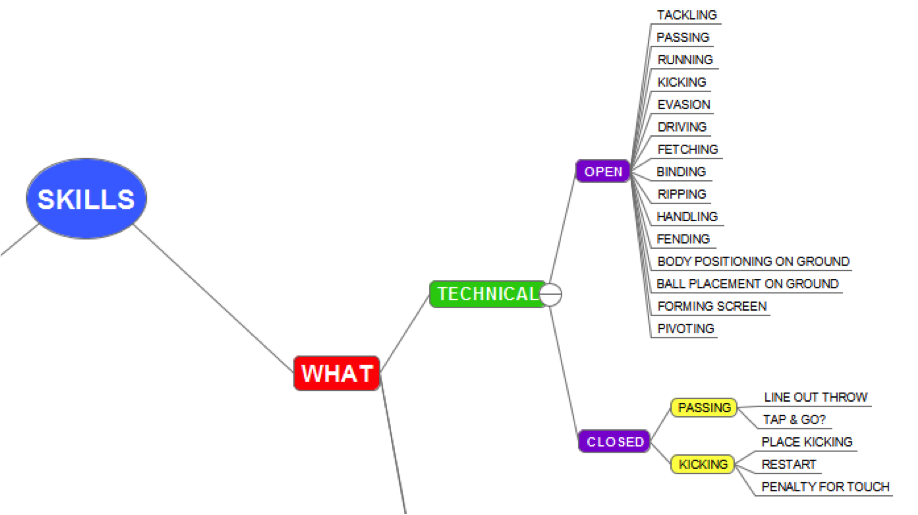
Figure 7: Technical skills in rugby union
As players are confronted with a rapidly changing environment, players use certain cognitive skills to interpret this environment. These cognitive skills make up the other two types of skills in the ‘what’ category, and can be broken up into perceptual skills or tactical skills (figure 8). Perceptual skills relate to the ability to take in external cues from the environment, and react appropriately. These include awareness of the movement and positioning of other players, pattern recognition and anticipation. There is some overlap between perceptual and technical skills, and in truth most skills have both technical and perceptual components.

Figure 8: Cognitive skills in rugby union
Tactical skills are related to strategy, and involve the planning of a series of phases resulting in an end goal. Practical examples in rugby are the decision to kick for posts or go for a line-out in opponents 22m at a penalty, or the decision to keep the ball in hand and run the ball up the field, or kick into space to gain territory.
As I mentioned in the introduction this is a working model, and I would really appreciate any input, so please leave a comment below.
Thanks
Steve den Hollander
Reference
International Rugby Board. (2011). INTERNATIONAL RUGBY BOARD LEVEL 2 COACHING MANUAL. Retrieved from http://www.irb.com/mm/document/aboutirb/irborganisation/02/06/18/19/120327ljrugbysevensplanfinal.pdf
Williams, T., & Bunce, F. (2012). Rugby Skills, Tactics & Rules (3rd ed.). Buffalo: Firefly Books.
Small sided games – experts vs. novices (by Prof. Luis Vaz)

This week, we have pleasure in publishing the presentation of Professor Luis Vaz on small-sided games (SSGs) in Rugby Union. For the full presentation (courtesy of Prof. Vaz) click this link: Luis Vaz et al Rugbyscientist Presentation
Professor Vaz is a Professor of Sport and Exercise Science at the University of Trás-os-Montes and Alto Douro (UTAD), a researcher in Center in Sport Sciences, Health and Human Development (CIDESD) and a Rugby Performance Analyst for Portugal Rugby Federation (F.P.R.). You can email him on: lvaz@utad.pt
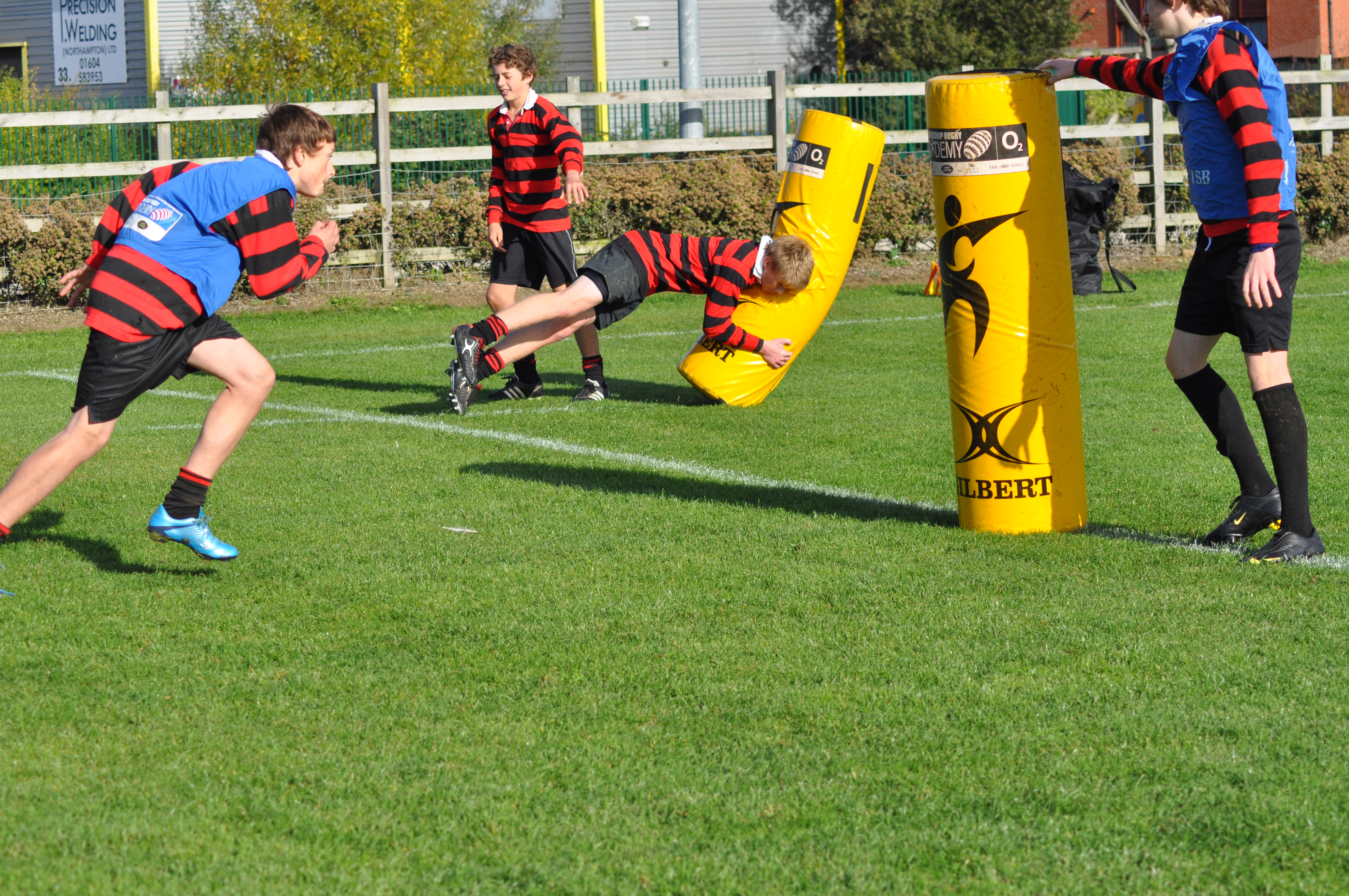
Why are we still using the ‘tackle’ bag to train tackling?
The origin and history of the tackle bag
Mimicking the ball-carrier?
Just posing the question highlights all the limitations of the tackle bag. The main one of course being that the tackle bag does not move compared to the ball-carrier in a match. There are a number of others too, weight, distinction between body parts, counter-drive etc.

Tackling technique
The obvious, major contention with the tackle bag is the technique players are learning and executing while ‘tackling’ the cylindrical shaped foam filled bag. During training session using the tackle bag, players typically dive into contact. Add into the drill a conditioning component (a common practice), players tend to start falling into contact. Technically speaking, this goes against most (if not all) safe and effective techniques prescribed for executing a tackle. I will refrain from going into detail and compare specific techniques required for safe and effective tackling, and the techniques used when using the tackle bag – we try to keep these articles short.
Scientific Research?
Studies specifically comparing techniques executed when using different equipment compared to live tackle training and tackling during matches don’t exist (to my knowledge). With that said, the tackle bag is mentioned in some studies looking at the tackle event. For example, in a paper on attitude and behaviour of junior rugby union players towards tackling during training and match play, the tackle bag was ranked in the top five most frequently used methods for coaching the tackle. One of the lowest ranked methods was ‘‘live tackling in a 1 vs. 1 player grid’. These findings imply that coaches prefer using padded equipment such as the tackle bag or shield rather than live 1 vs. 1 tackling, perhaps in an attempt to safeguard the players from injury in training. While the use of the padded equipment may arguably lower the risk of injury in training compared to live tackling, tackle bags and shields do not mimic real match conditions, and therefore may increase the risk of injury in matches. Other studies used the tackle bag as part of their methods to investigate muscle activity around the shoulder when tackling, and the forces produced when tackling a stationary tackle bag.

Sharief Hendricks
References
Hendricks, S., Matthews, B., & Roode, B. (2014). Tackler characteristics associated with tackle performance in rugby union. European Journal of Sport Science. doi:10.1080/17461391.2014.905982
Usman, J., McIntosh, A. S., & Fréchède, B. (2011). An investigation of shoulder forces in active shoulder tackles in rugby union football. Journal of Science and Medicine in Sport, 1–6. doi:10.1016/j.jsams.2011.05.006
Horsley, I., & Herrington, L. (2006). Electromyographic analysis of the tackle within rugby football. Physical Therapy in Sport. doi:10.1186/1758-2555-1
Hendricks, S., Jordaan, E., & Lambert, M. (2012). Attitude and behaviour of junior rugby union players towards tackling during training and match play. Safety Science, 50(2), 266–284.
 Rugby Science