Training Design Notes 3

The Performance-Learning Paradox

Increased difficulty during practice might be detrimental for performance in the short term, but is ultimately beneficial for learning in the long term.

A training session with a low challenge (highly structured and blocked) will lead to high levels of  performance in practice and low levels of  learning (retention and transfer), whereas a session that is high in task difficulty and highly representative (e.g., match practice and high challenge) will have lower levels of performance in practice and higher levels of skill learning. These relationships are dependent on the skill level of the player, and the optimal challenge is when the potential for skill retention and transfer is high and decrements in practice performance are kept to the minimum. For a progressive contact skill training plan, it is recommended to start the plan with a low challenge (high levels of performance in practice) and build toward a high challenge point.

Read more:

Guadagnoli, M. A., & Lee, T. D. (2004). Challenge point: a framework for conceptualizing the effects of various practice conditions in motor learning. Journal of motor behavior, 36(2), 212-224.

Hodges, N. J., & Lohse, K. R. (2022). An extended challenge-based framework for practice design in sports coaching. Journal of Sports Sciences, 40(7), 754-768.

Hendricks, S., Till, K., Oliver, J. L., Johnston, R. D., Attwood, M., Brown, J., … & Jones, B. (2018). Technical skill training framework and skill load measurements for the rugby union tackle. Strength & Conditioning Journal, 40(5), 44-59.


Training Design Notes 2

Representative learning design refers to the arrangement of conditions and constraints of a training or testing environment so that the conditions or constraints represent the performance environment to which the results are intended to apply.

Representative learning design  does not imply that coaches and practitioners have to design practice tasks that incorporate all features of competition  all the time. It is a fundamental misconception that successful application of constraints involves learning under full competitive performance conditions all the time. An important challenge for coaches and practitioners is to understand how to design representative learning environments, by manipulating task constraints, that each learner needs at that moment in his/her development.


Pinder, R. A., Davids, K., Renshaw, I., & Araújo, D. (2011). Representative learning design and functionality of research and practice in sport. Journal of Sport and Exercise Psychology, 33(1), 146-155.

Araujo, D., Davids, K., & Passos, P. (2007). Ecological validity, representative design, and correspondence between experimental task constraints and behavioral setting: Comment on. Ecological psychology, 19(1), 69-78.

Hendricks, S., Lambert, M., Masimla, H., & Durandt, J. (2015). Measuring skill in rugby union and rugby league as part of the standard team testing battery. International Journal of Sports Science & Coaching, 10(5), 949-965.

Renshaw, I., Davids, K., Newcombe, D., & Roberts, W. (2019). The constraints-led approach: Principles for sports coaching and practice design. Routledge.


Training Design Notes 1

Finding the optimal quantity and quality of practice to maximize learning for an individual or group can be difficult. Furthermore, practicing skills is typically done under time constraints. The Challenge Point Framework (CPF) can help design practice for optimal skill learning and performance.

The CPF describes how the task difficulty (dependent on the skill level of the athlete) and the potential available information to the athlete (i.e., too much or too little information) interacts to represent the “challenge” of the practice environment. The interaction between the task difficulty and potential available information can be used to set the“optimal challenge point” (OCP) for the athlete. Optimally challenging practice may enhance skill learning and transfer (from practice to the performance environment).

Read more:

Thomas, A., Paul, L., Rasenyalo, S., Jones, B., & Hendricks, S. (2025). Challenge Accepted: A Systematic Scoping Review of the Applications of the Challenge Point Framework. Journal of Motor Behavior, 1-19.

Guadagnoli, M. A., & Lee, T. D. (2004). Challenge point: a framework for conceptualizing the effects of various practice conditions in motor learning. Journal of motor behavior, 36(2), 212-224.

How to forget what you read

This article was captured from the You Are Here audio collection by Oliver Burkeman in the Waking Up app.

Oliver Burkeman is the author of The New York Times bestseller Four Thousand Weeks: Time Management for Mortals, about embracing limitation and finally getting around to what counts. For many years, he wrote a popular column on psychology for The Guardian, “This Column Will Change Your Life,” and has reported from London, New York, and Washington, DC.

These days, in the world of productivity and personal development, you can barely move without bumping into someone offering advice on how to remember everything that you read. All these people, to be believed, suggest lots of us are yearning to discover the perfect technique for capturing all the information that we encounter in books, online, and elsewhere—plus all the ideas that pop up into our heads while we’re taking a shower or riding the subway. And then storing all of that in the ideal note-taking system. This is the increasingly fashionable field that goes by the name of “personal knowledge management.”

I want to be honest and say that while I’m going to criticize it a bit here, I do that as someone who is a huge sucker for note-taking apps and digital systems that promise to store all my information so I can call it up whenever I need to, helping me see unexpected connections within it that I wouldn’t otherwise have noticed. My own history as a productivity junkie is littered with the wreckage of all the short-lived systems that I tried to implement in order to conquer the challenge of getting a handle on all the information I consume. I’ve lost track of the times I would resolve, say, to read for at least 30 minutes every day and then spend another 30 minutes taking notes on my reading, apparently oblivious to the fact that this would require me to locate an additional 60 minutes in an already overcrowded day—which meant it never actually happened.

So many of us try to retain and remember everything we read, listen to, or watch. It’s a very understandable response to the information environment in which we find ourselves. After all, there’s just so much useful and interesting stuff out there and so little time to consume it. And I think a lot of us do feel a kind of pressure to take ownership of what we manage to read, watch, or hear, either by literally memorizing it or, perhaps more realistically, by storing it in some well-organized external system. Otherwise, wasn’t reading it in the first place a waste of our precious time?

I’m increasingly convinced that a much more relaxed approach to knowledge consumption and note-taking is not only more enjoyable but actually more useful, too, in terms of using the information you encounter to help you in your quest to become more creative or more professionally successful. There are three basic reasons I think we shouldn’t struggle so hard to retain everything we read.

The first reason is that forgetting is a filter. That is, when something you read resonates with you sufficiently to recall it without effort, that means something. It means that it connects with your existing ideas and experiences in some relevant way. If you forget it, on the other hand, that’s fairly likely to be because it wasn’t worth remembering. And if you replace this natural filtering process with a more conscious, willpower-based system for retaining information by packing it all into a notebook or app, you risk losing the benefits of that filter. As the writer Sasha Chapin put it, “Your natural salience filter is a great determinant of what’s most alive for you. If you begin to rely on any other filter, you will increasingly record what seems like it should be interesting according to some pre-existing criteria, rather than what organically sticks to your mind.”

The second reason—and this is a universal law of personal productivity, really—is that the more effort a technique requires, the more likely you are to avoid doing it. If your system requires you to take detailed notes on everything you read, then you probably won’t. If you’re like me, that doesn’t mean that you’ll pick up an important book but fail to take notes on it. It means you’ll avoid that important book altogether in favor of something that matters to you less, because you tell yourself you’re going to keep the book for some other time when you’re feeling more energetic or engaged. Or maybe you’ll end up listening to a podcast that you don’t especially want to hear because you’re too tired to make notes on the podcast that you really do want to hear and now probably never will. It’s very similar to working out: the best kind of exercise is the one you’re actually going to do, and the best way to explore the vast array of information in the world is whatever is going to mean you actually do it.

The final reason to be wary of these attempts to store knowledge and information for future use is that the point of reading, at least most of the time, isn’t to vacuum up information but rather to shape your sensibility. As the art consultant Carina Janova has written, each work that you encounter changes you at least a little and changes the way you see the world. And that change is going to occur (or not) regardless of how much of any given book’s contents you happen to intentionally retain in your memory. And after all, it’s the way you see the world—your unique angle applied to the people and events and things around you—that’s going to result in the best ideas and the most original work.

This doesn’t mean I think you should throw away your notebooks or delete your note-taking apps and just give up on the idea of retaining knowledge and information that you encounter. Plus, of course, there may be a few contexts—say, if you’re studying law or studying medicine—where you really do have to memorize a lot of facts. But what I want to argue is that most of us could benefit from chilling out significantly when it comes to how we think about reading and learning and recording our thoughts.

First, embrace low-overhead ways of reading and note-making. It’s often drummed into us at high school or at university that merely highlighting a passage from a book or underlining it in pencil isn’t a very good way to internalize what you’re reading. Okay, maybe that’s true, but you know what’s an even worse way of internalizing what you read? Never even reading it to begin with because you couldn’t face taking detailed notes on it. So the method that you actually put into practice—be it highlighting or underlining—that makes it a good method.

Secondly, I think you should feel free to copy down quotes verbatim whenever you feel like it. There’s another dogma in the world of education that if you don’t transform things into your own words, then it doesn’t really count. You haven’t really engaged with the text. But at the risk of repeating myself, that means you don’t read the text at all in the midst of an otherwise busy and tiring and distracting day. Well, that’s a bad rule. Copying things down verbatim is what all sorts of celebrated writers and scholars have done for centuries in their so-called commonplace books. If that’s good enough for them, I think it can often be good enough for us.

And then thirdly, I would recommend keeping your notes messy. Keep them in a not-too-organized system, as opposed to some complex hierarchical scheme of folders and tags that needs 20 minutes a day just to keep it all in order. So that, once again, you’re more likely to actually do it. But beyond this, and for reasons I still can’t fully explain, I’ve found that keeping my notes messy also keeps them more alive for me, somehow makes them more fertile, more likely to be a source of interesting ideas than if I were to lock them down into a more rigid structure.

In the end, I think I’m getting at something a bit deeper than merely choosing lower-effort approaches to reading so that you actually get around to reading. It’s also a question of what the point of reading is, what the point of encountering new ideas and perspectives really is. Because it’s easy to operate, I think, on the assumption that the main point of picking up a book—certainly a non-fiction book or a work-related book—is to add to your storehouse of data. So you’re hoarding information and insights like a squirrel hoarding nuts, ready for some moment in the future when you’ll finally get to take advantage of it all. And in fact, to approach reading in that way is a recipe for living permanently in the future, mentally speaking, never reaping the value of life here in the present moment.

So instead, it’s better to think of reading not primarily as preparation for living later on, but as one way of engaging with the world, one way of living right here in the present moment. By all means, of course, let your reading shape your thinking over the long haul. Let it generate or improve your ideas for future projects. Let it enhance your skills and your knowledge base. But consider also the possibility that spending half an hour reading or watching or listening to something interesting or moving or inspiring or even just entertaining—that might be something worth doing not only for some other future reason, but for the sake of that very half hour of being alive.

Rugby Science Update 26

The Performance Demands and Technical Determinants for Tackle and Ruck Success During the Pool and Knockout Stages of the Men’s International World Rugby Sevens Series

The purpose of this study was to describe tackle and ruck frequencies across an entire World Sevens Series and specifically compare competition stages (pool vs. knockout stages) and match periods(1st half vs. 2nd half). A secondary aim was to identify tackle determinants associated with tackle performance.

Rugby Sevens is an Olympic sport that has grown rapidly worldwide, both in terms of participation and commercialisation. Understanding the tackle and ruck demands within and between the competition stages may help coaches better prepare for the technical and tactical demands of each stage—both in training and during the transition period between the pool and knockout stages. In addition, understanding which determinants increase the likelihood of tackle and ruck success is needed to develop effective training programmes

Video analysis of all matches during the 2018/2019 International Men’s Rugby Sevens World Series was conducted (n = 449 matches). This equated to 21226 tackle contact events and 6345 rucks events. Each tackle event was further coded for tackle descriptors (type of tackle, direction of contact and point of body contact) and tackle outcomes (successful and unsuccessful).

The study tackle frequencies per match remained consistent across the series and between the different competition stages and match halves. Ruck frequencies on the other hand decreased from the first tournament to latter parts of the series, and fewer rucks were observed in the knockout stage of the tournaments.

Based on these findings, contesting fewer rucks after a tackle may be a tactical consideration from a defensive perspective. With that said, which rucks to contest or not may also play a role, therefore coaches should emphasise better post-tackle decision-making.

In both the pool and knockout stages, the most frequently occurring type of tackle was the arm tackle. In the pool stages, the arm and jersey tackle were also associated with a higher likelihood of tackle success compared to other tackle types. The frequency and higher likelihood of tackle success for arm tackles in Sevens highlights a unique demand of Sevens, which strengthens the argument for Sevens specific tackle training and coaching.

The consistency in tackle characteristics between competition stages and between match halves provides further insights into the unique tackle demands of Sevens, with players requiring robustness to repeatedly perform a range of tackles.

The findings of this study highlight the unique technical-tactical tackle and ruck demands of Sevens, which strengthens the argument for Sevens specific tackle and ruck training and coaching.

This study is published in the European Journal of Sport Science and is Open Access.

de Klerk, F., Jones, B., Maree, W., & Hendricks, S. (2025). The performance demands and technical determinants for tackle and ruck success during the pool and knockout stages of the men’s international world rugby sevens series. European Journal of Sport Science25(3), e12269.

Contextual factors matter: A two-year exploration into the impact of contextual factors on elite women’s rugby sevens match-play movement demands

The aim of this study was to determine the effect of contextual factors on the match-play movement demands of both international and domestic women’s rugby sevens players. Quantifying these demands in an elite dual-level tournament across multiple teams, positions, match types, and over two seasons, will help bridge the gap between international and domestic players and better inform talent identification, training prescription, load monitoring, and match preparation processes.

The study used an observational, longitudinal study design to characterise match-play movement demands in international (n = 23) and domestic (n = 42) players across two seasons and nine series of an elite domestic women’s dual-level rugby sevens tournament. In total, across the 65 players, 1461 matches were analysed. Match-play movement demands were assessed through distance, speed, and acceleration metrics. Contextual factors were grouped into four themes: Player, Match, Tournament, and Environment.

Brosnan and colleagues identified that higher intensity match-play movement demands were associated with day 1 of the tournament, the first half, winning and/or drawing the match, closer score lines, playing a top-5 ranked team, playing against opponents closer in the standings, starting the match, playing as a back or speed edge, being an international player, playing in warmer climates, and playing later in the day.

This study highlights how contextual factors can affect match-play movement demands in women’s rugby sevens. Coaches and performance staff can use these results to tailor training, optimise tactical decisions, and manage player workloads. For example, coaches and performance staff can prepare for faster games played in warmer weather conditions, played later in the day, during first halves, on day 1 of tournaments, played with or against more international level players, for backs and speed edge positions, when starting a game, when playing in a top 5 team, when playing against teams close in the standings, and when playing in a game with a close result. Coaches and performance staff members can also use this information in assisting the monitoring of player loads, individual recovery, and developing more holistic return to play protocols.

This study is published in PLOS One and is Open Access.

Brosnan, R. J., Visentin, D., Watson, G., & Schmidt, M. (2025). Contextual factors matter: A two-year exploration into the impact of contextual factors on elite women’s rugby sevens match-play movement demands. Plos one20(5), e0322407.

Effects of light-load vs. heavy-load jump squats as priming activities in Olympic female rugby sevens players

The aim of this study was to evaluate the effectiveness of two different priming activities involving an exercise commonly used in professional training settings (the jump squat), performed at two distinct loading conditions (40% vs. 80% 1RM) on a series of speed-and power-related capabilities of Olympic female rugby sevens players, assessed at 6 and 24 hours after completing the priming sessions.

“Priming” are training strategies prescribed by practitioners to top-level athletes prior to competition with the intention of enhancing performance.

In a randomised cross-over set one-week apart, twenty Olympic female rugby sevens players performed a jump squat at either 40% or 80% of half-squat 1RM as the priming exercise. Speed-power performance measurements including counter movement jump, sprint speed at 10- and 40-m, 505 change of direction (COD) speed test, and peak velocity (PV) during the jump squat were measurement before the priming, 6 hours after, and 24 hours after.

The study found that heavier loads do not present any advantage over lighter loads for speed- and power-related qualities after 6-h and 24-h. When applied correctly, for example, using light-loads and low sets of ballistics lifts such as jump squats), priming may improve vertical jumping and power-related qualities, as well as improve linear sprinting and change of direction speed.

This study is published in Biology of Sport and is Open Access.

Loturco, I., Zmijewski, P., Mercer, V. P., Ramos, M. S., Betelli, M. T., Arenhart, I., … & Pereira, L. A. (2025). Effects of light-load vs. heavy-load jump squats as priming activities in Olympic female rugby sevens players. Biology of Sport42(2), 85-94.

Rugby Science Update 25

By Lara Paul

Radiological Correlates of Head Injuries in School‑Level Rugby Union: A 10‑Year Retrospective Cross‑Sectional Analysis

The aim of this study is to report the imaging findings of school-level players in low to middle income countries who presented to public or private radiology centre for imaging after sustaining traumatic rugby-related head injuries. The study further aims to examine: (1) the prevalence of concussion based on available clinical history; (2) the imaging correlation in players diagnosed with concussion and the diagnostic utility of CT in the context of concussion; and (3) differences in imaging findings between the public and private sectors. Data were collected from school-aged players (6-18 years) over a 10-year period, from 2014 to 2023, in the Western Cape region in South Africa. Imaging of rugby-related head injuries were obtained from Tygerberg Hospital, a public multi-centre facility, and from SCP Radiology, representing the private sector. Sports-related concussion (SRC) diagnoses were recorded only when signs or symptoms were included in the clinical history provided in the imaging request by the referring clinician and met the criteria based on the Sport Concussion Assessment Tool 6. A total of 369 school-level participants referred for imaging of rugby-related head injuries were included in this study. Participants in the public sector were over eight times more likely to have an SRC. This finding highlights disparities in healthcare access and injury reporting between the private and public sectors. Non-contrasted CT was the primary imaging modality used (94%). Eighty-six percent of scans showed no acute injury. Among abnormal studies, the most frequent findings were craniofacial fractures and brain injuries, including cerebral haemorrhage, contusions and oedema. SRC were prevalent in 78% of cases. Another noteworthy finding is that CT demonstrated low sensitivity for diagnosing concussion.

This study is published in Sports Medicine.

van Tonder R, Viljoen H, Ackermann C. Radiological Correlates of Head Injuries in School-Level Rugby Union: A 10-Year Retrospective Cross-Sectional Analysis. Sports Med. 2025 Mar 25. doi: 10.1007/s40279-025-02195-5. Epub ahead of print. PMID: 40133692.

A Comparison of the Application of Load Monitoring Metrics for Key Match Characteristics in Women’s Rugby Sevens

The purpose of this study was to compare three workload models and examine their relationships to match-specific and player specific characteristics in women’s rugby sevens. Twenty-two elite female rugby sevens players participated in the study. A total of 103 matches were analysed, incorporating GNSS-derived data, body mass measurements, self-reported RPE (rating of perceived exertion) and various match characteristics. The speed-deceleration-contact (SDC) model was used to generate predicted workload values, expressed in arbitrary units (AU). On average, players participated for 11.8 ± 4.53 minutes per match, experienced an RPE of 7 ± 1.9 AU, and had a calculated sRPE (session RPE) of 79.6 ± 45.59 AU, with 56.25 ± 21.40 kJ of mechanical work per match played. Player experience and match category significantly influenced all three workload measures (sRPE, mechanical work, and SDC model). Additionally, the opponent was significantly associated with both sRPE and the SDC model, while match outcome was associated with only sRPE. All three workload measures are valuable and are viable workload monitoring tools. However, they respond differently to contextual and experiential factors. Notably, sRPE and the SDC model appear more sensitive to key match characteristics compared to mechanical work.

This study is published in Applied Sciences.

Epp-Stobbe, A.; Tsai, M.-C.; Klimstra, M. A Comparison of the Application of Load Monitoring Metrics for Key Match Characteristics in Women’s Rugby Sevens. Appl. Sci. 2025, 15, 2344. https://doi.org/10.3390/app15052344

Sleep architecture is altered with travel and matches in professional rugby union players

The purpose of this study was to compare the effects of home versus away match fixtures on sleep quantity, quality, and architecture in professional male rugby union players. Twenty (n = 20) professional male rugby union players participated during the first two rounds of the 2023 Super Rugby Pacific season, across two conditions: HOME and AWAY match fixtures. Sleep was assessed over three nights for each condition: the two nights preceding the match, the night of the match, and the second night following matchday. Two matches were separated by eight days, with the HOME fixture occurring first. Players wore a wireless home-based polysomnography PSG device on designated sleep assessment nights. Sleep was categorised into three groups: Sleep quantity, sleep quality and sleep architecture. Match day sleep duration was shorter than on the two preceding nights. Sleep efficiency was not affected by day or condition. Significant differences were observed in the proportion of time spent in light sleep (between conditions), deep sleep (across days), and REM sleep (by both day and condition). During AWAY fixtures, players experienced reduced light sleep and increased deep sleep, along with greater difficulty falling asleep. Regardless of match location, sleep duration was significantly reduced on the night of the match. Post-match sleep was characterized by reductions in light and REM sleep, and an increase in deep sleep. Overall, players exhibited lower proportions of REM sleep and higher proportions of deep sleep after matches compared to two nights preceding match day. These findings emphasise the importance of facilitating adequate sleep opportunities following travel and competition for professional rugby players.

This study is published in the Journal of Sport Science.

Kanon Uchiyama, Peter Peeling, Shona L. Halson, Machar Reid, Karen Wallman, Jennifer Walsh, Simon Thomas & Olivier Girard: Sleep architecture is altered with travel and matches in professional rugby union players, Journal of Sports Sciences, DOI: 10.1080/02640414.2025.2473150

Rugby Science Update 24

By Lara Paul

Insights into coaching effectiveness: Perspectives from coaches and players in South African Women’s Rugby

The aim of this study was to explore the perspectives of coaches and players regarding coaching effectiveness in South African women’s rugby. Semi structured individual interviews were completed with 28 women’s rugby players and eight coaches who were actively involved in playing and coaching in South Africa. Five themes were generated based on the Coaching Efficacy Dimensions of the conceptual model of coaching efficacy:  Motivation, Technique, Game Strategy and Character-building. In the Motivation Efficacy theme, two sub-themes emerged: the motivational climate created by the coach and the motivational climate experienced by the players. Coaches’ behaviour plays a crucial role in fostering team responsibly, providing individual support for players’ needs, and demonstrating patience and passion for the sport. All these elements contribute to a motivational environment that enhances team satisfaction and performance. In the Technique efficacy theme, the sub-theme focused on coaching the physical, technical and tactical aspects of rugby. Coaches’ ability to teach and evaluate technical skills is essential. Players come from a diverse skill background, and different coaching strategies are employed to help players reach an adequate skill level. Junior players also noted that the steep learning curve they face when they first arrive. Under the Game Strategy efficacy theme, the sub-theme centred on guiding the players to successful outcomes. Coaches in this study emphasized the importance of confidence, coaching the fundamental skills for newer players, and managing players’ behaviour to ensure team success. One coach also highlighted the significance of patience when working with women’s players to maintain engagement and understanding. The final theme, Character-building efficacy, included the sub-theme of cultivating a positive environment for holistic development and sportswomenship. Some coaches allow senior players to serve as role models, leading by example and celebrating small victories. Integrating these findings into coaching development frameworks can help ensure supportive and effective environment for women’s rugby players in South Africa.

This study is published in the International Journal of Sport Science and Coaching.

Solomons, J., Bekker, S., Groom, R., & Kraak, W. (2025). Insights into coaching effectiveness: Perspectives from coaches and players in South African Women’s Rugby. International Journal of Sports Science & Coaching, 20(1), 8-21. https://doi.org/10.1177/17479541241283625

The association between resistance training volume load and session rating of perceived exertion in junior developmental female rugby league athletes

The aim of this study was two-fold: 1) to determine the associations between changes in resistance training volume load and session RPE in female junior rugby league athletes throughout a competitive season, and 2) to identify which types of resistance training demonstrated the greatest associations with reported session RPE. Twenty-one (n =21) junior developmental female rugby league athletes performed two to three resistance training sessions each week for a 20‐week period (8 weeks preseason, 11 weeks in-season and one week off). The resistance training sessions incorporated a combination intended outcomes, such as enhanced power, maximal strength or hypertrophy development. Players provided a verbal rating of perceived exertion using the Borg CR‐10 scale within 20 minutes after the session in isolation. To quantify the external load of the resistance training sessions, the volume load method was utilised (volume load = sets x reps x weight lifted [kg]). The study found significant inverse relationships between a decrease in the session RPE, with increases in both absolute and relative overall volume load. Specifically, dynamic efforts and lower body plyometric efforts displayed significant inverse relationships with session RPE. Additionally, significant positive relationships were observed between an increase in session RPE and increases in the volume load for lower‐body and upper‐body repeated efforts, as well as for upper‐body plyometric efforts and maximal efforts. These findings highlight the usefulness and importance of the volume load method for monitoring and prescribing resistance training in female rugby league athletes, as looking at overall volume load in isolation can provide an inaccurate representation of the training session. Furthermore, it provides useful data for the planning of specific exercises within the in‐season training week.

This study is published in the European Journal of Sport Science – Open Access.

Flannery, L., Compton, H.R., Dascombe, B.J., West, M.A. and Secomb, J.L. (2025), The association between resistance training volume load and session rating of perceived exertion in junior developmental female rugby league athletes. Eur J Sport Sci, 25: e12219. https://doi.org/10.1002/ejsc.12219

Physical collisions during elite rugby league match play and training: A stakeholder’s perspective

The aim of this study was to gain insights from current key European Super League stakeholders about their experiences and understanding of collision. Nineteen (n = 19) stakeholders participated in one-on-one semi structured interviews. Five themes were derived from the interviews: simultaneous contact in the three-person tackle; tackle height – calibration is critical; the fundamental factors influencing tackle-related risks; the graded exposure and philosophical approaches to contact training and games and replacing toughness with resilience – the impact of game identity. Some stakeholders believed that the simultaneous tackle was the safest and most efficient way to win a tackle. There were contrasting viewpoints regarding tackle height. While some stakeholders felt it should be addressed, others thought that reducing tackle height still presented a significant risk to health and safety. In discussing the role of fatigue in tackle related risks, some stakeholders believed the speed of the match speed and amount of ball-in-play increased the risk of injury due to fatigue. Stakeholders also identified the out-the-back pass as one of the most challenging positions for an attacker, and some believed that certain attacking techniques, potentially overlooked, could help reduce concussions. Lastly, coaches noted that the greater the closing distance, the higher the injury risk. However, they believed that coaches could guide the types and intensities of tackles players make in both training and match play. A few coaches emphasized that additional tackle training sessions could improve timing and coordination when performing tackles and this should not be avoided. The importance of mental preparation for collisions, driven through physical exposure emerged in the final theme. Furthermore, graded exposure to enhance mental preparation for collisions was encouraged. Coaches in this study noted the correlation of mental toughness with successful sports performance, as well as the prevalence of depressive and anxiety symptoms amongst players. These findings may inform coaching and safety programmes in rugby league and could might aid in the development of  injury prevention strategies.

This study is published in International Journal of Sport Science and Coaching.

Dixon, A. J., Littlewood, M. A., Cronin, C. J., Twist, C., & Close, G. L. (2025). Physical collisions during elite rugby league match play and training: A stakeholder’s perspective. International Journal of Sports Science & Coaching, 20(1), 210-224. https://doi.org/10.1177/17479541241296978

Rugby Science Update 23

By Lara Paul

Tackle characteristics associated with suspected concussion in female varsity rugby union: a case-control video analysis study

The aim of this study was to examine the association between tackle characteristics and suspected concussion-related versus non-injurious tackle events in a Canadian female varsity rugby cohort using video analysis. Video footage from Canada West female varsity rugby union league, spanning 2017 to 2019, were analysed. A case-control study design was employed to evaluate the relationship between tackle characteristics and a suspected concussive tackle event. Tackle and head impact characteristics, such as contact direction, location, intensity, were coded. In total, 13 439 tackles were identified. Among 151 225 suspected injury events identified, 26% were classified as suspected concussions. Of these, 78% were attributed to tackle events, while the remaining concussions resulted from other match events, such as a scrums, mauls, or rucks. A high head impact intensity score was strongly associated with concussion for both ball carriers and tacklers. Tackler related suspected concussions were linked to tackle events involving three tacklers in a tackle event, a tap tackle and an away pre-contact head position. Ball carrier related suspected concussions were associated with a tap tackle, illegal tackle type and down pre-contact head position. Concussion prevention programmes and strategies should be prioritised in rugby. The findings of this study can guide the development of strategies and programmes focused on tackle types and head positioning for both tacklers and ball carriers.

This study is published in the International Journal of Performance Analysis in Sport.

Shill, IJ, Galarneau, JM, Hendricks, S, Hagel, BE, Emery, CA & West, SW 2024, ‘Tackle characteristics associated with suspected concussion in female varsity rugby union: A case-control video analysis study’, International Journal of Performance Analysis in Sport, pp. 1-19. https://doi.org/10.1080/24748668.2024.2413802

‘Mind your head’, tackle characteristics associated with concussions in rugby league: A case-control study

The purpose of this study was to identify tackle characteristics associated with clinically diagnosed concussions in the men’s rugby league. Additionally, it aimed to determine the tackle characteristics that predict concussions in rugby league. Match concussions were reported throughout the 2018-2022 Super League seasons and were analysed using video analysis by the research team. In total, 7415 tackles that did not involve concussive events were coded, alongside the analysis of 196 concussions. Seventy percent (70%) occurred to the tackler, while thirty percent (30%) occurred to the ball carrier. Key tackle characteristics associated with concussions included the tackle impact location on the ball carrier’s body, the ball carrier leading arm, the number of defenders in the tackle, and the interaction of body positioning between the ball carrier and tackler. Specific characteristics for tacklers included tackler head placement, the ball carrier leading arm, number of players in the tackle, and tackle impact zone location on the ball carrier. For ball carrier concussions, tackle impact zone location on the ball carrier and the ball carrier and tackler body position. Tackle technique interventions should prioritise proper head placement to minimize direct impacts to the tackler’s head. Interestingly, this study found that the greatest odds of concussion occurred when both players were falling or diving rather than remaining upright. Tackles involving one ball carrier and three tacklers were the most frequent tackle type and had the lowest odds of causing concussion.  Prioritising strategies focused on the tackler may significantly reduce overall concussions. Interventions should address initial impact with the ball carriers’ head or neck to decrease ball carrier concussions. Further research into optimal techniques for both ball carrier and tackers is needed. The findings of this study suggest that modifying and reinforcing tackle laws could help reduce the incidence of concussions in rugby league.

This study is published in Journal of Science and Medicine in Sport.

Cameron Owen, Andrew Gardner, Kevin Till, James Brown, Matt Cross, Sharief Hendricks, Rich D. Johnston, Gemma Phillips, Keith Stokes, Ross Tucker, Ben Jones. ‘Mind your head, tackle characteristics associated with concussions in rugby league: A case-control study. Journal of Science and Medicine in Sport. 2024.ISSN 1440-2440. https://doi.org/10.1016/j.jsams.2024.10.006.

What do coaches want? Exploring the preferences of youth rugby union coaches for education in the implementation of injury prevention programmes

The aim of this study was to explore youth Rugby Union coaches’ preferences for education and support in implementing injury prevention programmes. Five focus group were conducted in 2023, involving twelve Rugby Union coaches from secondary school teams and youth clubs in Ireland. Data were collected until data saturation was reached, and a conventional content analysis approach was used to analyse the data and address the research question. Three main categories emerged from the analysis:  1) Formal/non-formal learning, 2) Informal learning, and 3) Intrapersonal considerations. Coaches expressed a preference for live, structured, and practical workshops during the pre-season period, which a strong focus on developing knowledge. The emphasized that injury prevention workshop should also be a stand-alone session to allow full attention to the topic. Coaches also requested active resources to aid in planning their programmes. These resources would enable coaches to develop implicit knowledge of injury prevention programmes through various means, including adapting, integrating, and engaging in Q&A sessions. Coaches also sought the flexibility to adjust programmes as needed. The study identified a mismatch between coaches’ preferences for injury prevention programme education and what is currently offered through National Governing Bodies coach education programmes. Further exploration of perspectives of National Governing Bodies is necessary to address this gap.

This study is published in Physical Therapy in Sport.

Guilfoyle L, Comyns T, O’Sullivan K, Kenny IC. What do coaches want? Exploring the preferences of youth rugby union coaches for education in the implementation of injury prevention programmes. Phys Ther Sport. 2024 Dec 21;72:1-8. doi: 10.1016/j.ptsp.2024.12.002. Epub ahead of print. PMID: 39756251.

Rugby Science Update 22

By Lara Paul

“Women shouldn’t play rugby” – the gendered and embodied experiences of women players in rugby union

The aim of this study to understand the attitudes, experiences and behaviours of women rugby players concerning tackle performance and safety. In depth, semi-structured interviews were conducted with twenty-one senior women rugby players. A constructivist grounded theory approach guided the recruitment of participants, data collection and data analysis. The results were divided into two categories: 1) The position of women’s rugby and 2) how women shape the field of rugby. Participants discussed how their bodies felt ‘out of place’ within the rugby community due to their personal experiences and restrictive gender norms. This included deeply embedded gender norms within social and organisational structures, playing conditions and societal perceptions of women’s rugby, which limited their opportunities to safely participate and thrive in the sport. Despite these challenges, players did not change themselves to fit in, rather, they embraced the diversity of women’s embodiment and capabilities. They continued to participate in this sport, actively re-shaping the future of women’s rugby. The authors mentioned that participants expressed optimism about the future public profile of women’s rugby, and this positive attitude could serve as a catalyst for changing attitudes and increasing support. The authors recommend that researchers continue to build on this research by investigating the why and how certain knowledges and practices become normative, as well as when and why they may be resisted.

This study is published in the Qualitative Research in Sport, Exercise and Health.

Kathryn Dane, Geraldine Foley, Pauline Cullen & Fiona Wilson (2024) “Women shouldn’t play rugby” – the gendered and embodied experiences of women players in rugby union, Qualitative Research in Sport, Exercise and Health, 16:5, 487-502, DOI: 10.1080/2159676X.2024.2375395

Twenty year analysis of professional men’s rugby union knee injuries from the English premiership shows high rates and burden

The aim of this study was twofold: (1) to describe the incidence, severity and burden of knee injuries over 20 English Premiership rugby seasons in matches and training, and (2) to assess changes in injury rates over time and compare these rates across different playing surfaces and between types of playing events. Data on injuries and match and training exposure were collected from first team male rugby players of Premiership Rugby Clubs from 2002/2003 season to the 2022/2023 season. All injury definitions were aligned with the 2020 IOC injury consensus document. Over the 20 seasons, a total of 2128 knee injuries reported, with 71% occurring during matches and 29% during training. Annually, knee injuries accounted for an average of 11.6% of all match injuries and 9.5% of all training injuries. The mean knee severity in matches was 50 days, with an injury incidence of 9.8 injuries per 1000 player hours. MCL injuries were the most common during matches; however, ACL injuries had the highest severity (241 days) and injury burden (112 days per 1000 hours). In training, the mean severity of knee injuries were 51 days, and the injury incidence was 0.2 injuries per 1000 player hours. MCL, chondral/meniscal, and ‘other’ knee injuries were the most common in training, though ACL injuries had the highest severity (243 days). While the overall knee injury count did not change over time, counts of PCL and complex knee injuries have significantly increased. Average knee injury severity also showed a significant increase over time. Knee injury rates during matches were 44% higher on artificial grass pitches than on natural grass surfaces. The tackle event was the leading cause of knee injuries in matches, with ball carrier at a higher risk than tacklers. For ACL injuries, running accounted for 33% of cases, followed by the tackle event with 31%. Given the evolving nature of the game, prioritising knee injury prevention strategies is recommended.

This study is published in British Journal of Sports Medicine.

West SW, Hudson SJ, Starling L, et al Twenty year analysis of professional men’s rugby union knee injuries from the English premiership shows high rates and burden British Journal of Sports Medicine Published Online First: 22 October 2024. doi: 10.1136/bjsports-2024-108639

Minimal influence of the menstrual cycle or hormonal contraceptives on performance in female rugby league athletes

This study aims to examine performance across the menstrual cycle and compare athletes using hormonal contraption with those having a “natural” cycle. Twenty-four national Australian National Rugby League’s Indigenous Women’s Academy athletes participated in this study while attending a 5 week training camp. The players were divided into two groups: those using hormonal contraception and those reporting naturally menstrual cycles. After two familiarization sessions, participants completed performance tests on three separate occasions, aligned with each participant’s individualized menstrual (MC) or hormonal contraceptive cycle. Menstrual status was tracked for all athletes by recording the onset of bleeding, conducting 11 weeks of MC or hormonal contraceptive tracking, using dual hormone urinary ovulation kits, and analysing retrospective serum 17‐β‐estradiol and progesterone concentration. Performance tests were administered at MC phase one, two and four for natural menstruating athletes and three equally spaced out intervals for athletes using hormonal contraceptive athletes. Blood samples were collected from each athlete before each performance testing session. Performance tests included the countermovement jump (CMJ), squat jump (SJ), and isometric mid‐thigh pull, conducted on a dual force plate system, followed by the power pass, 20m sprint and the Stroop Colour and Word Test. No differences or changes were observed in CMJ, SJ, and isometric mid‐thigh pull force, power pass distance, 20m sprint times or Stroop effect across MC phases, test sessions, or between groups. However, small variations in kinetic and kinematic outputs were noted in the CMJ and SJ: a 16.8% greater mean concentric power were observed in the CMJ, and a 4.7% reduction in impulse at 50 ms in the SJ during MC phase four compared to MC phase one. This study suggests that while the menstrual cycle or hormonal contraceptive use does not significantly impact physical and cognitive performance outcomes, certain kinetic or kinematic outputs during the CMJ and SJ may experience minor alterations.

This study is published in European Journal of Sport Science – Open Access.

Smith ES, Weakley J, McKay AKA, McCormick R, Tee N, Kuikman MA, Harris R, Minahan C, Buxton S, Skinner J, Ackerman KE, Elliott-Sale KJ, Stellingwerff T, Burke LM. Minimal influence of the menstrual cycle or hormonal contraceptives on performance in female rugby league athletes. Eur J Sport Sci. 2024 Aug;24(8):1067-1078. doi: 10.1002/ejsc.12151. Epub 2024 Jun 15. PMID: 38877892; PMCID: PMC11295101.

Rugby Science Update 21

By Lara Paul

An evaluation of the impact of the Irish Rugby Football Union Coach Education Framework on the coach–athlete dyad across the age and stage spectrum in rugby union

The aim of this study was to evaluate the implementation of the novel Irish Rugby Football Union Coach Education Framework (CEF) on coach–athlete interactions and perceptions. Specifically, this study aimed to evaluate the impact of coaches’ behaviours during training sessions, the structure of these training sessions within the allocated time the coaches are provided, and the perceptions of both coaches and athletes regarding their relationship and the coaches’ behaviours. Four coaches and 54 players from rugby union youth teams in Ireland participated in this study. Data were collected three times across an 18 month time period: before the CEF intervention; immediately after intervention and at the end of the season post-intervention. Three separate training session observations were recorded for each participating coach with a lapel microphone and a camcorder. The Coach Analysis and Intervention System (CAIS) tool was used to analyse each coach’s behaviour and training session time. Additionally, coaches filled out the Coach-Athlete Relationship Questionnaire (CART-Q) and the players completed the Coaching Behaviour Scale for Sport (CBS-S) Questionnaire. For the intervention, the CEF content was delivered using a facilitated workshop approach focusing on the interpersonal nature of the coaching process. There were significant changes in the coaches’ behaviours after the CEF intervention, including increases in management type behaviour profiles, negative feedback and silence behaviours. Interestingly, there was an increase in negative feedback as opposed to positive feedback, which is not the type of feedback encouraged. Coaches made efforts to increase the volume of their feedback by correcting players’ behaviours but did not use positive feedback that players value. It was also found that coaches did not significantly change their use of time for the training session content. There was mutual satisfaction between the players and their coaches. Coach education needs consistent application over a long time to be successful, but this study shows that the implementation of CEF has encouraging results.

This study is published in the International Journal of Sport Science and Coaching.

Smith, K., Burns, C., O’Neill, C., Quinn, N., Winkelman, N., Wilkie, M., & Coughlan, E. K. (2024). An evaluation of the impact of the Irish Rugby Football Union Coach Education Framework on the coach–athlete dyad across the age and stage spectrum in rugby union. International Journal of Sports Science & Coaching, 0(0). https://doi.org/10.1177/17479541241258702

Determining female‐specific high‐intensity activity GPS thresholds in women’s rugby union: Use of current use of male‐derived absolute speed thresholds underestimates true levels

The study aims to: 1) assess alternative GPS speed threshold in comparison to a set of male-derived thresholds, 2) identify the effect of these thresholds on high intensity movement distances, and 3) make appropriate recommendations on how to use GPS speed thresholds in women’s rugby union. Fifty-eight Women’s Premier rugby union players took part in this study. Forty-seven of these players performed two 20 meter maximal sprints using the Rugby Football Union testing guidelines for Premier XVs teams to determine maximal velocity. All match GPS data was captured using Catapult Minimax S4 devices. To identify the effect of female‐specific speed thresholds on the match characteristics of players, three sets of thresholds were applied to each data file: one using male-derived criteria and then two alternative thresholds for comparison. When calculating the total high-intensity movement distances in women’s rugby union using the male derived threshold, it equates to 2.1% of the total distance completed in games. Forty-one percent of the players were able to achieve speeds higher than the male derived sprint threshold (21 km.h-1). Significant small to moderate increases were found in total sprint distances when the speed thresholds were adjusted. In total high intensity running distances, significant moderate to large increases were found when the speed thresholds were adjusted. The authors recommend reducing speed thresholds for female rugby union players to the suggested thresholds in this paper (for example: >14 km.h−1 for high‐intensity running and ≥17 km.h−1 for sprinting). This will allow for the production of data that accurately represents the demands experienced in the women’s game, enabling appropriate player preparation.

This study is published in European Journal of Sport Science – Open.

Bradley, E., Roberts, J. and Archer, D. (2024), Determining female-specific high-intensity activity GPS thresholds in women’s rugby union: Use of current use of male-derived absolute speed thresholds underestimates true levels. Eur J Sport Sci. https://doi.org/10.1002/ejsc.12149

Real‑World Fatigue Testing in Professional Rugby Union: A Systematic Review and Meta‑analysis

The aims of this study were threefold; 1) to perform a systematic review of the literature on the measures used to assess fatigue of professional rugby union players, 2) to complete a meta-analysis of the changes in the neuromuscular, biochemical, self-reported, and heart rate-derived measures associated with monitoring fatigue in professional rugby players, and 3) to provide recommendations based on the literature for monitoring rugby union player fatigue after match play and training in a practical setting. The search was conducted on six electronic databases up to July 2023 (PubMed, SPORTDiscus, Web of Science, Cochrane Library, EMBASE, and MEDLINE). Studies were included if they investigated male rugby union players and focused the influence of match play and/or training on these players, using neuromuscular, biochemical, subjective self-report, and heart rate-derived measures to assess fatigue. A total of 37 full-text articles were included in this review, and 17 full-text articles were included in the meta-analysis. The review was split into four sections: (1) neuromuscular; (2) subjective self-reports; (3) biochemical; and (4) heart rate derived measures. The use of subjective soreness measures to assess fatigue was found to be the most applicable measure in this review. The effectiveness of using countermovement jump height, biochemical markers, and heart rate-derived measures to assess fatigue remains unclear. Although countermovement jump height shows high individual variability, the authors support its use as a fatigue assessment tool in professional rugby union settings, provided it is interpreted on an individual basis.

This study is published in Sports Medicine.

Grainger, A., Comfort, P., Twist, C. et al. Real-World Fatigue Testing in Professional Rugby Union: A Systematic Review and Meta-analysis. Sports Med 54, 855–874 (2024). https://doi.org/10.1007/s40279-023-01973-3

Rugby Science Update 20

By Lara Paul

The state of play for contact training and coaching in women’s rugby

The purpose of this study was to review the current literature on tackle training in contact rugby codes and highlight key messages for coaches and stakeholders as part of a transdisciplinary approach to improve science, safety and gender equity in women’s rugby. The review looked at female specific injury surveillance, prevention, coaches in women’s rugby and match demands. The current literature is sparse but acknowledges the gendered sociocultural and environmental conditions that have influenced women’s experiences of rugby contact and coaching. One cannot copy and paste what has been done from male literature and expect it to work for women’s rugby. Women’s rugby should be understood and coached in a context‐specific manner, considering the needs of the players, coaches and the training environment. Developing and encouraging coaches to execute safe and effective tackle technical actions has been highlighted a priority in women’s rugby. Researchers in all disciplines have been encouraged to work across all levels of women’s rugby, with coaches and athletes, to understand the whole system of women’s rugby. This allows for a holistic approach to developing women’s rugby further. This review also suggests that adapting and adopting progressive tackle skill training frameworks and gender‐responsive coaching practices can aid tackle skill learning.

This study is published in the European Journal of Sport Science – Open Access.

Stodter, Anna., Dane, Kathryn. (2024), The state of play for contact training and coaching in women’s rugby. Eur J Sport Sci, 24: 1-11. https://doi.org/10.1002/ejsc.12119

Head Acceleration Events During Tackle, Ball-Carry, and Ruck Events in Professional Southern Hemisphere Men’s Rugby Union Matches: A Study Using Instrumented Mouthguards

The aims of this study were two-fold: 1) to describe the Head Acceleration Events (HAEs) experienced by professional men’s rugby union players during contact events using statistical modelling techniques appropriate for instrumental mouthguard (iMG) data, and 2) to explore the differences between contact-event types and positional groups. This observational study was conducted during the 2023 Currie Cup and Super Rugby season. Custom Prevent Biometrics iMGs were provided to all players. Post-match data was downloaded from the iMGs to provide linear and angular kinematics. Video analysis data, provided by Opta, included ruck, ball carrier and tackle data. Accelerometer, gyroscope, and proximity sensor data were synchronized to video timestamps of contact events using Matlab. Each HAE was linked to a contact event if their timestamps occurred within 10 seconds of one another. The results from this study show that as the HAEmax magnitude increased, the probability of occurrence decreased. This results in a relatively small probability of higher HAEmax magnitudes in professional male rugby union players. Tackles and ball carries had a greater probability of HAEmax in higher magnitude ranges than rucks. However, the defensive ruck probability profile was closer to tackle and carry events than attacking rucks. The authors suggest that defensive rucks may warrant greater consideration within the injury prevention interventions. No clear differences were found between positions for any of the contact events. The occurrence of HAEmax was associated with roles players performed within contact events, not their actual playing position. These results of HAEmax occurrence can be used to guide and evaluate future HAE reduction strategies in professional rugby union players. Additionally, these results can guide practitioners in planning and player monitoring.

This study is published in Scandinavian Journal of Medicine & Science in Sports.

Roe, G., Sawczuk, T., Owen, C., Tooby, J., Starling, L., Gilthorpe, M., Falvey, É., Hendricks, S., Rasmussen, K., Readhead, C., Salmon, D., Stokes, K., Tucker, R. and Jones, B. (2024), Head Acceleration Events During Tackle, Ball-Carry, and Ruck Events in Professional Southern Hemisphere Men’s Rugby Union Matches: A Study Using Instrumented Mouthguards. Scand J Med Sci Sports, 34: e14676. https://doi.org/10.1111/sms.14676

Longitudinal changes in anthropometric, physiological, and physical qualities of international women’s rugby league players

The purpose of this study to quantify changes in body composition, blood markers, energy requirements, strength, and aerobic capacity of women’s international rugby league players during the lead up to the 2022 Rugby League World Cup (RLWC). Twenty-four international women’s rugby league players participated in this study. Players were tested at three testing points: 1) December 2021, at the beginning of the 2022 Women’s Super League pre-season; 2) March 2022, at the end of the 2022 Women’s Super League pre-season; and 3) October 2022, following the completion of the 2022 Women’s Super League season and prior to the RLWC. Data collection included anthropometric measurements (height and body mass), body composition, resting metabolic rate (RMR), blood profiling, assessments of endurance capacity (VO2max) and isometric strength. This study observed increases in lean mass during the pre-season which aligned with the team’s training goals. Backs demonstrated improvements in VO2max across the three testing points. Interestingly, no significant changes were observed in fat mass, RMR, blood markers, or strength over time. Forwards has a greater body mass and body fat percentages compared to backs. The authors recommend the inclusion of iron profile monitoring in practical settings, especially during intensified training phases, as it can contribute to players’ overall health and performance. Although the iron profiles remained at similar levels across all testing points, it was below the recommended threshold.

This study is published in PLoS ONE.

Scantlebury S, Costello N, Owen C, Chantler S, Ramirez C, Zabaloy S, et al. (2024) Longitudinal changes in anthropometric, physiological, and physical qualities of international women’s rugby league players. PLoS ONE 19(5): e0298709. https://doi.org/10.1371/journal.pone.0298709

Rugby Science Update 19

By Lara Paul

Assessing the feasibility of a neck‐strength training intervention in university women’s rugby

The purpose of this study was to pilot a neck strengthening intervention with a university women’s rugby team. Furthermore, the study aimed to understand participant’s perceptions of the training intervention. Fourteen British University rugby union players participated in the study. A fixed‐frame dynamometer was used to assess the multi‐directional isometric neck strength in the participants. They then followed a neck-strengthening program after baseline testing. After completing the programme, they underwent end‐of‐season testing again. The neck strengthening exercises were incorporated into bi‐weekly strength and conditioning sessions and were performed at the end of the session as a team. Following the intervention, semi-structured interviews were conducted to understand the players’ experiences of the testing sessions and intervention and to provide a space for feedback on the intervention. Ten players and two coaches participated in these interviews. Neck strengthening values increased by 9.2%–26.7%, depending on direction. Both players and coaches preferred completing the neck strengthening exercises at the start to the session and in a group. Improvement in educating players and coaches about neck strengthening exercises in needed. The study found that players reported a lack of awareness of neck strength training, and coaches believed that it can only assist in scrum performance. This was a pilot study and further research is required to draw conclusive results.

This study is published in the European Journal of Sport Science – Open Access.

Petrie, F.J., Williams, E.M.P., Mackintosh, K.A., Starbuck, C. and McNarry, M.A. (2024), Assessing the feasibility of a neck-strength training intervention in university women’s rugby. Eur J Sport Sci, 24: 466-473. https://doi.org/10.1002/ejsc.12028

Injury in Starting and Replacement Players from Five Professional Men’s Rugby Unions

The aims of this study were two-fold, 1) to determine if there was an association between the number of replacements and replacement minutes used by one team in a match and the number of injuries to the opposing team, and 2) to determine whether the incidence, severity, and mean of injuries were different between starting and replacement players in professional men’s rugby. Injury and exposure data were collected from men’s professional rugby teams in England, New Zealand, Australia, and South Africa for three seasons.  Any replacement player with an exposure of 1 minute or longer was included as a replacement in the analysis. The study found that the use of replacements by one team did not impact the injuries sustained by the opposing team. Overall, injury incidence was similar in starting and replacement players. However, starting players had a higher injury incidence rate than replacement players in the third and fourth match quarters. This finding was attributable to the high injury rates in the starting forwards. Fatigue may be contributing to these injuries. The injury severity and burden were greater in replacements compared with starters. This study allows governing bodies to make evidence-based decisions regarding replacements and does not support any law changes about replacement in the game based on injury risk.

This study is published in Sports Medicine.

Roberts, S.P., Stokes, K.A., Williams, S. et al. Injury in Starting and Replacement Players from Five Professional Men’s Rugby Unions. Sports Med (2024). https://doi.org/10.1007/s40279-024-02014-3

Changing gears: data-driven velocity zones to support monitoring and research in men’s rugby league

The aim of this study is twofold: 1) to apply a data-mining approach to league-wide data to identify absolute velocity zone thresholds for male rugby league players, and (2) to apply the respective velocity zones to league-wide data to examine the locomotor demands of individual playing positions within elite match-play. All match data were collected from NRL elite male rugby league players across one season. All players wore microtechnology devices. Following data collection, 10 Hz microtechnology data and match-play time-coded event statistics were analysed. After applying spectral clustering to the league-wide microtechnology dataset, the authors determined four absolute velocity zones ranging from <13.99 km·h−1 to >24.50 km·h−1.  The four zones include low: 0–13.99 km·h−1; moderate: 14.00–20.99 km·h−1; high: 21.00– 24.49 km·h−1 and very-high: >24.50 km·h−1.  Furthermore, they identified a high speed threshold of >21.00 km·h−1 which is 3.00 km·h−1 higher than the commonly used threshold of >18.00 km·h−1. These results will assist in preparing players for the demands of the game.

This study is published in Science and Medicine in Football.

Cloe Cummins, Glen Charlton, David Paul & Aron Murphy (2024) Changing gears: data-driven velocity zones to support monitoring and research in men’s rugby league, Science and Medicine in Football, 8:1, 60-67, DOI: 10.1080/24733938.2022.2152482

Rugby Science Update 18

By Lara Paul

A global survey exploring tackle training knowledge, attitudes and practices of women’s rugby union coaches

The aim of this study is to describe the knowledge, attitudes, and perceived tackle training practices of women’s rugby coaches in relation to tackle safety and performance using the Health Action Process Approach model. The study employed a pragmatic approach, integrating both quantitative and qualitative data.  357 coaches currently coaching senior women’s rugby filled out a survey consisting of 34 questions about tackle safety and performance. Coaches agreed that the risk and burden of tackle injuries are high. Unfortunately, some coaches acknowledged the lack of access to strength and conditioning and/or medical provisions. Coaches acquired their knowledge from informal and unstructured learning resources. 76% of coaches had never completed a tackle specific training course, and only 39% were aware of these courses. 76% of coaches felt confident about coaching tackler technique. Coaches expressed openness to implementing evidence-based and female-specific tackle training programmes. Some coaches mentioned the use of female specific technical, physical, psychological, and tactical adaptations during training. Barriers to effective tackle training included player training considerations, sociocultural factors, the training environment, and coach knowledge gaps. Coaches reported the time spent on controlled-contact and full-contact activities varied from 0 to 40+ min per week, averaging 10–20 min for both types of training. The authors suggested that these findings could inform female rugby coach education and implementation strategies to enhance the real-world effectiveness of tackle safety programmes in the context of women’s rugby.

This study is published in the International Journal of Sport Science and Coaching.

Dane, K., West, S. W., Hendricks, S., Stodter, A., Yeomans, C., van Dyk, N., Griffin, S., & Wilson, F. (2024). A global survey exploring tackle training knowledge, attitudes and practices of women’s rugby union coaches. International Journal of Sports Science & Coaching, 0(0). https://doi.org/10.1177/17479541241243180

Is your system fit for purpose? Female athlete health considerations for rugby injury and illness surveillance systems

The aim of this review is to discusses female‐specific health considerations in injury and illness surveillance and to provide rugby specific recommendations for future surveillance. There were few studies reporting injury rates in women’s rugby. Prevention initiatives have focused on addressing injury risks identified from studies in the men’s game, rather than women’s games. Very few studies have focused and included illness reporting in their studies.  The review highlights that even when a female athlete is considered ‘healthy’, there are female athlete health domains that may influence sports participation and or health outcomes. These health domains include pelvic floor health and stress urinary incontinence, breast health and breast injuries, female health domains and concussion and postpartum domain and associated health problems. A range of female specific considerations such as years of exposure, bra size, pelvic health, the menstrual cycle and pregnancy and postpartum conditions will ensure that injury and illness surveillance systems within women’s rugby fit for purpose and not simply a duplicate of systems used in men’s rugby. This approach may improve risk identification and better inform injury and illness prevention strategies.

This study is published in European Journal of Sport Science – Open Access.

Isabel S. Moore, Molly McCarthy‐Ryan, Debbie Palmer, Joanna Perkins & Evert Verhagen (2024). Is your system fit for purpose? Female athlete health considerations for rugby injury and illness surveillance systems, DOI: https://doi.org/10.1002/ejsc.12089

Effects of tackle height and shoulder preference on head and trunk acceleration in rugby

The aim of this study was twofold; 1) to investigate the effects of tackle height and shoulder preference on head and trunk acceleration, and 2) to investigate the relationship between head and trunk acceleration during tackles. Thirty-nine senior and college rugby players participated in the study. Participants tackled an 80 kg tackle bag wearing nine-axial wireless accelerometers to measure head and trunk acceleration. They tackled on both their left and right sides at three different heights: high, middle, and low. Peak head acceleration was higher than peak trunk accelerations during the tackle. Additionally, peak trunk accelerations were delayed compared to peak head accelerations. High tackles exhibited higher peak head and trunk accelerations compared to the low tackles. Peak head acceleration was significantly lower during dominant shoulder tackles, while it was significantly higher during dominant shoulder tackles. The authors suggest that coaching strategies and policies should aim to reduce tackle height and improve tackle technique, specifically on the non-dominant shoulder, to help reduce head acceleration forces.

This study is published in International Journal of Sport Science and Coaching.

Ogata, Y., Soejima, T., Hara, K., Takahata, H., Ando, Y., Yamashita, A., Yamada, M., Murakami, H., & Maeda, A. (2024). Effects of tackle height and shoulder preference on head and trunk acceleration in rugby. International Journal of Sports Science & Coaching, 0(0). https://doi.org/10.1177/17479541241252967

Rugby Science Update 17

By Lara Paul

Differences in injury and concussion rates in a cohort of Canadian female and male youth Rugby Union: a step towards targeted prevention strategies

The aim of this study is to examine differences in injury and concussion incidence rates between male and female youth rugby players, as well as event-specific injury and concussion incidence rates. Additionally, the study aims to investigate the association between previous rugby playing experience and tackle-related injury and concussion incidence rates. Injury surveillance was conducted for male and female players over two high school rugby seasons in Calgary, Alberta, Canada, during 2018 and 2019. The study found that females had a 62% higher overall match injury incidence rate and a twofold higher overall training injury incidence rate than the males. Concussions were the most common match injury for both females (40%) and males (38%). Furthermore, females had a 70% higher match concussion injury incidence than males. The tackle event was associated with the highest number of match and training injuries for both males and females. Female players had a higher rate of tackle-related injury than males. Interesting, injuries to the tackler were higher in matches, while injuries to the ball carrier were higher in training. Moreover, this study found that player experience has no protective effect in reducing injury or concussion incidence rate in the tackle. The authors suggested establishing a timeline for introduction of the tackle in match play for youth rugby, especially for females.

This study is published in the British Journal of Sports Medicine.

Shill IJ, West SW, Sick S, et al. Differences in injury and concussion rates in a cohort of Canadian female and male youth Rugby Union: a step towards targeted prevention strategies. British Journal of Sports Medicine 2024;58:34-41.

Coaching player decision making in rugby union: exploring coaches espoused theories and theories in use as an indicator of effective coaching practice

The aim of this study is to explore how Premiership Regional Academy rugby union coaches support the development of their players’ decision making during training sessions. Five coaches from English Premiership’s Regional Academies participated in semi-structured interviews to explore coaches’ espoused theories on decision making. Video footage and audio were recorded for three training sessions using categorized systematic observations of their coaching practice. Self-confrontation interviews were used to investigate coaches’ espoused theories and theories in use as a means of reflection and justification for their practice within 48 hours of the coaching session. Key coaching events during training were reshown to the coach, and justification of their practice was encouraged via prompts. Coaches used both incidental coaching methods and intentional coaching methods. Coaches referred to the importance of designing learning activities that represent the random nature of the competitive environment. The observational data revealed misalignments between coaches espoused theories and theories in use. For example, player huddles (46.88% of all activities) were the most frequent learning activity for all the coaches. However, this also resulted in inactivity and time off the task for players. When the researchers confronted the coaches about these findings, coaches explained that huddles created opportunities for players to consider what decisions they are making, how they made them, and why they may or may not be appropriate. The authors encourage coaches to further their knowledge and understanding of coaching methods but also be skeptical of coaching methods and reflect on what is it that they do, what they are trying to achieve and why are they doing it.

This study is published in Physical Education and Sport Pedagogy.

Michael Ashford, Ed Cope, Andrew Abraham & Jamie Poolton (07 Dec 2022): Coaching player decision making in rugby union: exploring coaches espoused theories and theories in use as an indicator of effective coaching practice, Physical Education and Sport Pedagogy, DOI: 10.1080/17408989.2022.2153822

A comparison of the match action characteristics of scholarship, academy, and senior rugby league: influence on career progression

The purpose of this study is to determine the differences in individual player match action characteristics between scholarship, academy, and senior levels of the ESL rugby league player pathway, as well as to determine differences in individual match action characteristics between players who progressed to the professional ESL level and those who did not. All data was collected from an ESL professional club across three competitive seasons (2017–2019), totaling 95 senior, 69 academy, and 23 scholarship matches. Players were categorized into two groups (ESL or Non-ESL) based on the highest level they have attained. Forty-eight match actions showed significant differences when accounting for playing position between the different playing levels. Interestingly, over seventy percent of the match characteristic differences were defensive match actions. Furthermore, the results suggest that as the playing pathway progresses from scholarship to senior level, players are expected to perform more defensive actions. A higher rate of attacking match actions were observed in academy and scholarship players who progressed to ESL level. These results may assist stakeholders in identifying and developing rugby league players. Factors such as attacking qualities should be an important component of the evaluation process for talent identification.

This study is published in International Journal of Performance Analysis in Sport.

James Bletsoe, Sarah Whitehead, Jamie Poolton, Thomas Sawzcuk & Kevin Till (2024) A comparison of the match action characteristics of scholarship, academy, and senior rugby league: influence on career progression, International Journal of Performance Analysis in Sport, 24:1, 31-43, DOI: 10.1080/24748668.2023.2262837

Rugby Science Update 16

By Lara Paul

Stakeholder perceptions of a tackle law variation to reduce concussion incidence in community rugby union: A qualitative study

The purpose of this study is to investigate stakeholders’ perceptions and beliefs regarding a lowered maximum legal tackle height law trial aimed at reducing concussion incidence in community rugby union. Six coaches, six players, and six referees participated in individual semi-structured interviews. The interviews focused on the effectiveness and value of a lowered maximum legal tackle height in improving player welfare and investigating the factors influencing the successful implementation of the law variation. After completing the interviews, a thematic analysis was conducted, and themes were derived from the data. Contextual themes identified included poor concussion knowledge, lack of education, poor tackle technique, and a culture that undermines player welfare. There were mixed views from the stakeholders on the effectiveness of the law trial; however, they did believe it could have a positive impact on player welfare. Buy-in from the coaches was a challenge, and there were difficulties surrounding the adherence to the law variation. Attitudes towards injuries, the difficulty refereeing the tackle height and resource constraints were some of the negative influences on the tackle height law variation. Spending time on coaching safe tackle techniques positively influenced players’ beliefs and attitudes towards of injury prevention. Some participants felt the law variation was still more effective than the existing law. Additionally, participants felt that that it raised awareness around concussion. Overall, the authors noted the complexity of implementing an injury prevention strategy for concussions.

This study is published in the International Journal of Sports Science and Coaching.

van Tonder, R., Brown, J. C., Surmon, S., Viviers, P., Kraak, W., Stokes, K. A., Hendricks, S., Derman, W., & Badenhorst, M. (2024). Stakeholder perceptions of a tackle law variation to reduce concussion incidence in community rugby union:  A qualitative study. International Journal of Sports Science & Coaching, 0(0). https://doi.org/10.1177/17479541241227329

The speed and acceleration of the ball carrier and tackler into contact during front-on tackles in rugby league

This aim of this study is to compare the speed and acceleration of the ball-carrier and tackler during the pre-contact phase (contact − 0.5s) of front-on tackles using video analysis and microtechnology data. Additionally, the study seeks to investigate the effect of the interaction of ball-carrier and tackler positions during Super League match play. The analysis involved examining video footage and microtechnology data from 214 front-on tackles in Super League matches. The findings indicate that the ball carrier’s speed was faster than the tackler’s speed going into contact (4.73 ± 1.12 m∙s−1 vs 2.82 ± 1.07 m∙s−1), occurring in 88% of the tackles. Moreover, it was observed that the tackler tended to decelerate going into contact while the ball carrier accelerated into contact. Furthermore, when assessing positional interactions, it was found that the ball carrier speed into the tackle was higher when the ball was carried by a back compared to a forward. The study provides valuable insights for sport practitioners and stakeholders in rugby league, offering a detail understanding of the tackle event in rugby league. Such information can aid in adequately preparing players for the demands of match-play and can be instrumental in decision-making regarding laws related to tackling.

This study is published in Journal of Sports Science.

James Parmley, Ben Jones, Sarah Whitehead, Gordon Rennie, Sharief Hendricks, Rich Johnston, Neil Collins, Thomas Bennett & Dan Weaving (2023) The speed and acceleration of the ball carrier and tackler into contact during front-on tackles in rugby league, Journal of Sports Sciences, 41:15, 1450-1458, DOI: 10.1080/02640414.2023.2273657

Innovation in sport medicine and science: a global social network analysis of stakeholder collaboration in rugby union

The aim of this study is to conduct a Social Network Analysis of stakeholders involved in rugby union research. A systematic literature search was conducted on three online databases. Organisations were identified using author affiliations listed on scientific publications. All papers were included if they contributed to rugby union research. Collaboration was detected if there was a co-author on the publication. Country and sector were determined from the organisations of the authors. From there, a collaboration network was generated from co-authorship matrices and computed network metrics. This identified influential organisations and measured the extent of the collaboration between sectors.  Six sectors were identified based on the author affiliations: universities, healthcare, industry, science and support, sport’s governing bodies and professional sports teams. The study found that scientific output and collaboration have increased over time from 1977 to 2022 in rugby union. This increase is likely due to the sport’s high injury risk, with stakeholders having an interest in preventing injuries and improving performance. Understandably, the greatest number of publications are produced by tier 1 rugby-playing nation, including England, Australia, New Zealand, Ireland, and South Africa. Influential universities between 2016 and 2022 include the Australian Catholic University, Leeds Beckett University, Stellenbosch University, Swansea University, University College London, and the University of Cape Town. Governing bodies within rugby union are highly collaborative, and universities are key players contributing to knowledge development. The results from this study emphasize the opportunity for collaboration, as the organisations creating knowledge in rugby union have been identified.

This study is published in the BMJ Open Sport & Exercise Medicine.

Erskine NR, Hendricks S, Jones B, et al. Innovation in sport medicine and science: a global social network analysis of stakeholder collaboration in rugby union. BMJ Open Sport & Exercise Medicine 2024;10:e001559. doi:10.1136/bmjsem-2023-001559

Rugby Science Update 15

Understanding elite rugby league players’ experience of collision, effective contact coaching techniques, and player contact psychology: A focus group study

The aim of this study is to understand the experiences of elite rugby league players regarding collisions in both training and match play. Eighteen European Super League players participated in this study, and data were collected through online focus groups. The interviews followed a semi structured format and covered various topics, including 1) offensive and defensive collisions, 2) collision monitoring, 3) defensive strategies and 4) the psychology behind collisions. After the interviews, a thematic analysis was used to identify, analysis and report the emerging themes. The focus groups revealed five themes: 1) The three-man tackle – the perceived optimal defensive strategy, 2) Not all collisions are the same; match play events change the collision intensity, 3) Bracing and blindsiding – two factors that influence experiences of collision and concussion, 4) Coaching philosophies and orientations, and 5) Psychological readiness for collisions. Furthermore, the authors recommend that future studies adopt a mixed methods approach to bridge the gap between theory and practice.

This study is published in Journal of Sport Science.

Andrew J. Dixon, Martin A. Littlewood, Colum J. Cronin, Craig Twist & Graeme L. Close (2024): Understanding elite rugby league players’ experience of collision, effective contact coaching techniques, and player contact psychology: A focus group study, Journal of Sports Sciences, DOI: 10.1080/02640414.2024.2313377

Match injuries in English schoolboy rugby union

The purpose of this study is to describe and compare the incidence, severity, and burden of match injuries among U13, U15, and U18 schoolboy rugby union players in England. The study spanned three rugby seasons (2017/18 to 2019/20) and involved data collection from 35 schools. Injury incidence, injury severity and injury burden were calculated and reported. The U18 age group had a significantly higher injury incidence (34.6 per1000 hours, 95% CI 31.5 to 38.1) compared to both the U13 (20.7 per 1000 hours, 95% CI 14.1 to 30.3, p=0.03) and U15 (24.6 per 1000 hours, 95% CI 20.6 to 29.5, p<0.01) age groups. While there was no significant difference between age groups for injury severity, the U18 age group had a higher injury burden (941 days/1000 hours, 95% CI 856 to 1035) than the U13 (477 days per 1000 hours, 95% CI 325 to 701, p<0.01) and U15 (602 days per 1000 hours, 95% CI 503 to 721, p<0.01) age groups. Across all age groups, the head was the most common injury site, and tackling accounted for 52% of all injuries for U13 boys, 48% for U15 boys and 62% U18 boys. Notably, the concussion was the most common injury type across all age groups. Interestingly, injury incidence, increased with age, possibly attributed to the greater forces generated in contact events due to increased mass, strength, and speed as players age. The authors emphasize the importance of teaching proper technique across all ages.

This study is published in BMJ Open Sport & Exercise Medicine.

Hancock MV, Barden C, Roberts SP, et al. Match injuries in English schoolboy rugby union. BMJ Open Sport & Exercise Medicine 2024;10:e001740. doi:10.1136/ bmjsem-2023-001740

Stress urinary incontinence prevalence and risk factors in female rugby players: a common health problem across four nations

This study aimed to achieve three primary objectives: 1) determine the prevalence of Stress Urinary Incontinence (SUI) and rugby-related urine leakage in female rugby players, 2) identify risk factors for SUI in female rugby players and 3) understand the impact of SUI on rugby participation. The survey, containing questioning on urinary continence and rugby related SUI, was distributed on social media October 2022 to February 2023, with a total of 396 female participants. Results showed that 43% of players reported rugby related SUI. General risk factors for rugby related SUI included a higher BMI, constipation, and childbirth. Rugby-specific risk factors involved playing a forward position and participating at amateur level. Tackling, running, and jumping/landing were identified as the events most likely to cause rugby related SUIs. Interestingly, 68% of players who experienced rugby related SUI continued to play with no modifications. The study concludes by emphasizing the need to prioritize the prevention and management of SUI within female rugby, with a specific focus on prevention strategies for forwards and amateur-level rugby players, such as sport-specific conditioning.

This study is published in the BMJ Open Sport & Exercise Medicine.

McCarthy-Ryan M, Perkins J, Donnelly GM, et al. Stress urinary incontinence prevalence and risk factors in female rugby players: a common health problem across four nations. BMJ Open Sport & Exercise Medicine 2024;10:e001832. doi:10.1136/bmjsem-2023-001832

Rugby Science Update 14

A Coaching Session Framework to Facilitate Long-Term Athletic Development

The purpose of this article is to describe an evidence-based coaching session framework that can be applied in various coaching sessions. This framework is aimed to guide and optimise long-term athlete development across different youth ages, multiple sports, various development stages and considers the integration of both physical development and technical, tactical, and psychosocial development. Finally, it addresses how coaches can apply the framework. The coaching framework is based on RAMPAGE – Raise, Activate, Mobilize, Prepare, Activity, Games, Evaluate. Raise involves increasing the body temperature to prevent injuries and improve the athlete’s motor performance. This phase aims to enhance the locomotor skills and should include movement in all directions. Activate and Mobilize refers to the framework’s section involving dynamic movement. Dynamic movements facilitate physical preparation, reduce injury risks, and incorporate stability and mobility skills. The Prepare stage involves high-intensity movements (such as sprinting, jumping, or throwing) with maximal effort. This phase prepares athletes for high intensity movements in the session or, from a developmental perspective, harnesses specific physical capabilities. The Activity stage focuses on the coaching session’s main content. Games facilitate the development of technical, tactical, physical, and psychosocial aspects through activities such as small-sided games, adding in an element of fun to the coaching session.  The Evaluate stage involves the cool-down process, providing an opportunity for ‘add-ons’ and flexibility. This phase encourages reflection on the coaching session, with the use of the rating of perceived challenge scale to monitor the technical and tactical aspects of their training. Additionally, the authors recommend focusing on communication, control, confidence, concentration, resilience, presence, self-awareness, and commitment for personal and psychosocial development.

This study is published in Strength and Conditioning Journal.

Till, Kevin; Eisenmann, Joe; Emmonds, Stacey; Jones, Ben PhD; Mitchell, Tom; Cowburn, Ian; Tee, Jason; Holmes, Neil; Lloyd, Rhodri S. A Coaching Session Framework to Facilitate Long-Term Athletic Development. Strength and Conditioning Journal 43(3):p 43-55, June 2021. | DOI: 10.1519/SSC.0000000000000558

Behind enemy lines: Expressing locomotor movements of athletes in the National Rugby League Women’s (NRLW) competition relative to opposition data

The aim of this study is to describe and analyse the locomotor movements of the players in the National Rugby League Women’s (NRLW) competition in Australia and New Zealand. A total of 117 players participated this study. All match (n = 12) and demographic data were collected from the NRLW website. The locomotor data were collected from the NRLW using Catapult OptimEyes S5 receivers. The data were collected from the 2018 and 2019 NRLW Holden Premiership seasons. Mean speed (m min−1), mean high-speed (>12 km h−1; m min−1), mean acceleration (m s−2) and points scored were the match variables used for analysis. The results showed that greater high speed running and lower mean acceleration was associated with more points scored, indicating that less accelerating and decelerating or faster speed of play was associated with more points being scored. Furthermore, other findings indicated that the difference in mean high-speed running between teams was associated with a higher points differential. For example, if a team completed 10% more high-speed running than their opposition, they were likely to score an average of 3.2 points more during a given match-half. In summary, this study suggests that high speed running should be considered a crucial characteristic in elite female rugby league conditioning programmes. Moreover, enhancing players’ high-speed running capacity may contribute to improved performance.

This study is published in Journal of Sports Sciences.

Clare Minahan, Heidi R Thornton, Phillip Bellinger, Jonathan Ward, Dale Lovell, Simon Buxton & Tim Newans: Behind enemy lines: Expressing locomotor movements of athletes in the National Rugby League Women’s (NRLW) competition relative to opposition data, Journal of Sports Sciences, DOI: 10.1080/02640414.2023.2296736

Symptom presentation and evolution in the first 48 hours after injury are associated with return to play (RTP) after concussion in elite Rugby Union

The purpose of this study is to describe the clinical presentation of players with a concussion during the Head Injury Assessment (HIA) 1, 2 and 3 process and to identify whether any sub-tests are associated with longer RTP time after a concussion. A total of 380 cases of match concussion from 3 seasons (2018–2021) of English club rugby were analysed. Players were identified with a possible concussion using either Criteria 1 signs during a match or during the 3-stage HIA process. Following the identification of a concussion, SCAT5 was used to diagnose the concussion and players then entered the 6-stage Gradual Return to Play protocol. Players were classified based on their time loss, with shorter RTP cased defined as RTP within 7 days of diagnosis and longer RTP cases as RTP in 8 or more days after diagnosis. Th study revealed that players who had been diagnosed with a concussion 12 months prior to their current concussion were 2.6 times more likely to be in the longer RTP cases. The severity of acute and sub-acute symptoms was identified as a predictor of slower RTP cases. Moreover, the study found that 31% of players with abnormal results in HIA3 (48 hours post diagnosis) were in the shorter RTP category, whereas the majority of players with symptom worsening during HIA3 were in the longer RTP cases. Interestingly, no cognitive or balance sub-test abnormalities or impairments are associated with longer return to play time. As a recommendation, authors suggest implementing a more conservative concussion management approach in sports.

This study is published in the Journal Sport and Health Sciences.

Ross Tucker, Matt Cross, Keith Stokes, Lindsay Starling, Rosy Hyman, Simon Kemp, Stephen West, Martin Raftery, Eanna Falvey, James Brown. Symptom presentation and evolution in the first 48 hours after injury are associated with return to play after concussion in elite Rugby Union, Journal of Sport and Health Science (2024), doi: https://doi.org/10.1016/j.jshs.2024.01.005

Rugby Science Update 13

Head Acceleration Events in Male Community Rugby Players: An Observational Cohort Study across Four Playing Grades, from Under‑13 to Senior Men

The objective of this study was to describe the Head acceleration events (HAE) burden across various age groups, ranging from U13 to Senior Premier Club level, and the different playing positions during both matches and training. Data were gathered using Prevent Biometric instrumented mouthguards (iMG) throughout the 2023 community rugby season, involving 328 male rugby players in 48 matches and 113 training sessions across U13, U15, U19, and Senior Premier men levels. All iMGs were equipped with an embedding sensor, triaxial accelerometer and gyroscope to detect ‘on-tooth’ time, as well as linear and angular kinematics, respectively. Additionally, all rugby sessions were recorded. Despite similar rugby exposure time across age grades, the percentage of HAE exposure increased with higher age grade, reflecting elevated match intensity as players matured.  Notably, 65% of HAEs occurred during matches for the Senior Premier level, with significantly smaller proportions during matches as age decreased. The study revealed a decline in HAE exposure during training with age. Furthermore, the relative risk of experiencing a high magnitude HAE was found to be is 1.36 times higher for U19 players compared to other levels. When analysing player positions, forwards exhibited a higher HAE exposure rate than backs, particularly in the tackle and ruck events, likely attributed to increased contact for forwards. Interestingly, at the U13 level, backs experienced more low-magnitude HAE during training sessions, presenting an opposite position incidence to Senior Premier players. Tackles accounted for 66–75% of HAE exposure in matches, emphasizing the authors recommendation for the importance of tackle and ruck technique training, particularly for higher grade players.

This study is published in Sports Medicine.

Bussey, M.D., Salmon, D., Romanchuk, J. et al. Head Acceleration Events in Male Community Rugby Players: An Observational Cohort Study across Four Playing Grades, from Under-13 to Senior Men. Sports Med (2023). https://doi.org/10.1007/s40279-023-01923-z

Best practice recommendations for body composition considerations in sport to reduce health and performance risks: a critical review, original survey and expert opinion by a subgroup of the IOC consensus on Relative Energy Deficiency in Sport (REDs)

The purpose of this review is to discuss the current knowledge regarding the relationship between body composition (BC) and athletic performance across different ages and sports. Additionally, the review aims to survey the evolution of BC considerations in international sport over the last decade and provide best practice recommendations for BC considerations to prevent potential health and performance consequences. A review search was conducted on PubMed in August 2022 and December 2022, focusing on exploring the impact of athletes’ BC on performance outcomes. The review includes a total of 29 studies, with most of them involving well trained athletes in individual sports. To address the evolution of BC considerations over the last decade, an electronic questionnaire was developed and circulated via social media and email lists. The survey included 125 practitioners from 26 countries working within competitive sports. The findings of this review indicate limited evidence regarding the association between BC and competitive success. Notably, endurance athletes ten to benefit from leanness, and muscle mass is crucial across various sports. Overall, persistent training and experience are essential for talent development and performance success. The survey results highlight the necessity for a more holistic approach to using and reporting BC data over the past decade. Practitioners emphasize the need for awareness and education on how BC assessment affects both performance and health. The survey also highlights that methods have remained largely unchanged over the decades, with practitioners still comparing arbitrary sport-specific ideal BC. The authors emphasize the importance of approaching BC assessments and reporting BC data appropriately. They recommend assessing BC only when necessary and providing the necessary support for athletes to avoid potential health risks. To mitigate these risks, pre-screening should be conducted by the medical and performance team. Testing protocol should be chosen wisely, with a recommended frequency not exceeding 4-6 times a year. Additionally, BC assessment for athletes under the age of 18 is not recommended.

This study is published in British Journal of Sports Medicine.

Mathisen TF, Ackland T, Burke LM, et al. Best practice recommendations for body composition considerations in sport to reduce health and performance risks: a critical review, original survey and expert opinion by a subgroup of the IOC consensus on Relative Energy Deficiency in Sport (REDs). Br J Sports Med 2023;57:1148–1160.

Tackling the tackle 2: Evaluation of referee and player behavioural change as measures of implementation of a law variation in community-level male amateur rugby union

The primary aim of this study was to investigate changes in player and referee behaviour following the implementation of the lowered (armpit) legal tackle height law variation intervention in amateur community rugby. Additionally, the study aimed to assess on-field referee sanctioning decisions for illegal high tackles. Building on a prior study which implemented the lowered (armpit) legal tackle height law intervention in the amateur community rugby, this research examined referee and player behaviour across three periods of the season. The study involved 42 teams participating in the university rugby club’s four-league, inter-residence competition with the inclusion of 16 referees from the South African Referees Academy. All matches were recorded and video footage from the mounted Go Pro on the referees was captured. Evaluation of on-field referee sanctioning was carried out by a professional South African Rugby Union (SARU) international-level referee, which assessed all videos coded as ‘high’ under the new law variation. The findings of the study revealed a positive on-field behaviour change in both players and referees following the new law variation. There was a significantly higher sanctioning rate by the referees in the middle period of the session, potentially contributing to a significant reduction in upright tackles in the last part of the season. Additionally, there was a fair agreement between the independent referee evaluation and the on-field sanctioning when reviewing the high tackles.

This study is published in the Journal of Science and Medicine in Sport.

R. van Tonder, S. Hendricks, L. Starling, et al., Tackling the tackle 2: Evaluation of referee and player behavioural change as measures of implementa…, Journal of Science and Medicine in Sport, https://doi.org/10.1016/j.jsams.2023.11.004

Rugby Science Update 12

Cardiovascular risk and systemic inflammation in male professional rugby: a cross-sectional study

The aim of this study was to characterize cardiovascular risk factors, including markers of inflammation, in professional rugby players based on their position. Furthermore, the study compared inflammatory markers in rugby players to those in healthy controls and patients with rheumatoid arthritis (RA). All professional rugby players (n=46) were free from injury and illness at the time of data collection. The rugby players were then categorized by position; forwards (n=21) and backs (n=25). All data collections were collected during the pre-season. Markers of inflammation for the healthy controls and RA patients were obtained from a biobank database at Trinity Biomedical Sciences Institute. Most rugby players in this study exhibited at least one cardiovascular risk factor. Forwards had higher values for all body composition variables, C-reactive protein (CRP) and glucose compared to backs. The rugby player cohort overall showed increased levels of systemic inflammation. One-third of the cohort displayed similarity in inflammation levels to patients with chronic inflammatory diseases. The authors note that the sample size is too small to generalize findings. However, there is a risk of hypertension and dyslipidaemia that should be screened for in rugby players.

This study is published in BMJ Open Sport & Exercise Medicine.

McHugh C, Hind K, Kelly A, et al Cardiovascular risk and systemic inflammation in male professional rugby: a cross-sectional study BMJ Open Sport & Exercise Medicine 2023;9:e001636. doi: 10.1136/bmjsem-2023-001636

Incidence of concussion in men’s Super League, Championship, and Academy rugby league matches between 2016 and 2022

The purpose of this study was to describe the incidence of concussion in the male rugby league at Super League, Championship, and Academy levels between 2016 and 2022. All rugby league medical teams must complete and submit a concussion report within 24 hours of a concussion to the Rugby Football League in elite senior and academy levels. All data used in this study was extracted from this dataset spanning the seasons 2016 to 2022.  The data was extracted from the top tier Super League (n = 12 teams), second tier Championship (n = 14 teams), and RFL Academy (n = 12 teams). A total of 1403 concussions were reported (Super League = 538; Championship = 358; Academy = 507). The overall concussion incidence was significantly higher for Super League (15.5 (14.2–16.9) per 1000 player-match hours) and Academy (14.3 (13.1-15.6) per 1000 player-match hours) compared to the Championship (10.5 (9.5-11.7) per 1000 player match hours). One possible reason for this difference is the increased availability of resources for identifying concussions. Additionally, there has been an emphasis on concussion caution for youth players. Concussion incidence in Academy players was higher in the 2021 and 2022 seasons, potentially influenced by COVID-19 pandemic, which limited training and playing opportunities for these players. Lastly, no difference was found in concussion incidence between months at all the levels.

This study is published in the Journal of Science and Medicine in Sport.

Eastwood, David et al. Incidence of concussion in men’s Super League, Championship, and Academy rugby league matches between 2016 and 2022. Journal of Science and Medicine in Sport, 2023. doi: https://doi.org/10.1016/j.jsams.2023.09.001

It Takes Two to Tango: High Rates of Injury and Concussion in Ball Carriers and Tacklers in High School Boys’ Rugby

The purpose of this study is to explore injuries in Canadian high school rugby boys and provide insights for future injury prevention strategies. Data collection took place during the 2018 and 2019 high-school rugby seasons in Calgary, Alberta. Seven schools were recruited for this study and 12 teams were included.  Preseason testing was conducted at the start of the season, with weekly visits to the schools during the season to obtain the injury data. The total time loss injury incidence for matches was 48.4 injury per 1000 hours (95% CI: 37.7-62.0) and a concussion injury incidence of 22.0 concussions per 1000 hours (95% CI: 15.9-30.4). For training injury incidence, the overall time-loss injury incidence was 1.9 injuries per 1000 hours (95% CI: 1.2- 2.9) and the training concussion injury incidence was 0.6 injuries per 1000 hours (95% CI: 0.3-1.2). No significant differences were observed between seasons. The head was the most common injury location in both matches and training, with the concussion being the most common injury type. The tackle event accounted for 65% of match injuries, with the ball carrier contributing to 35% of tackle injuries, followed by the tackler (30%). In training, the tackle constituted 58% of injuries, with the tackler having the highest injury proportion (51%) compared to the ball carrier (7%). The most common mechanism for concussions in matches was being tackled (41%), followed by tackling (53%). In training, the predominant concussion mechanism was tackling (45%), followed by being tackled (23%). The authors highlighted the need for implementation of injury and concussion-specific prevention strategies. Due to the significant number of tackle-related injuries, there is a need to focus on tackle specific injury prevention strategies.

This study is published in the Clinical Journal of Sport Medicine.

West, Stephen W., Shill, Isla J., Sick, Stacy., et al. It Takes Two to Tango: High Rates of Injury and Concussion in Ball Carriers and Tacklers in High School Boys’ Rugby. Clinical Journal of Sport Medicine 33(4):p 405-413, July 2023. doi: 10.1097/JSM.0000000000001118

Rugby Science Update 11

I won’t let you down; why 20% of Men’s and Women’s Super League players underreported suspected concussions

The purpose of this study was to determine the rates of concussion underreporting in male and female Super League rugby players and to establish why players may not report suspected concussions. Furthermore, the study aimed to establish basic concussion knowledge and awareness of the long-term implications of concussions. This study undertook a cross sectional design. A survey was distributed to all registered men’s and women’s players from Super League teams by the Rugby Football League during the 2022 preseason. A total of 422 players completed the survey. Of the 422 players, 20% did not report concussion-related symptoms to the medical staff during the 2020 and 2021 seasons. One third of all players reported at least one concussion diagnosed by a doctor over the last two seasons. The most common reason for not reporting concussion-related symptoms were that players ‘didn’t want to be ruled out of a match’ and ‘didn’t want to let down team’. 62% of players reported receiving annual concussion education at their clubs. Knowledge about concussion and its potential long term implications improved from the beginning of the players senior club level careers. More than half of the players expressed concern about the potential long-term implications of concussions. The authors encourage medical and performance staff to be involved in concussion education to remove any negative perceptions surrounding concussion reporting.

This study is published in the Journal of Science and Medicine in Sport.

Tadmor D, Till K, Phillips G, Brown J, Fairbank L, Hendricks S, Johnston RD, Longworth T, Stokes K, Jones B. I won’t let you down; why 20% of Men’s and Women’s Super League players underreported suspected concussions. J Sci Med Sport. 2023 Sep 27:S1440-2440(23)00416-4. DOI: 10.1016/j.jsams.2023.09.015.

Tackling the tackle 1: a descriptive analysis of 14,679 tackles and risk factors for high tackles in a community-level male amateur rugby union competition during a lowered tackle height law variation trial

The aim of this study was two-fold:  to describe the tackle characteristics during a single season, of community-level rugby conducted under the lowered, armpit-level maximum legal tackle height law variation and investigate factors that were associated with ‘high tackles under the new law’, during this season. The tackle analysis was completed throughout the Koshuis rugby competition in Stellenbosch University rugby club’s intra-university competition in 2018 and 2019, comprising of four leagues with 42 teams. The first year of the study used the standard shoulder-level maximum tackle height law and in the second year of the study the maximum legal tackle height was lowered from the ball carrier’s shoulder to the armpit. All matches were video recorded with referees wore Go Pro camera, and injury surveillance was conducted. The tackles were categorised as ‘high tackle under the new law’ or ‘not high’. A total of 108 matches and 14679 tackles were analysed. The results showed that ‘high tackles under the new law’ had significantly greater odds of occurring in the lower leagues. Notably, factors contributing to high tackles under the law variation condition included, lower front-on arm tackler, tacklers in upright positions, and ball carriers dipping into contact, all of which were associated with an increased risk of head injury. In conclusion, these findings support the implementation of a lowered maximum legal tackle height in rugby union. The authors did mention that when lowering the maximum legal tackle height, the ball carrier’s behaviour in the tackle event needs to be considered.

This study is published in the Journal of Science and Medicine in Sport.

R. van Tonder, S. Hendricks, L. Starling, et al., Tackling the tackle 1: a descriptive analysis of 14,679 tackles and risk factors for high tackles in a community-level male amateur rugby union competition during a lowered tackle height law variation trial, Journal of Science and Medicine in Sport (2023), https://doi.org/10.1016/j.jsams.2023.10.011

Coach and player rating of perceived challenge (RPC) as a skill monitoring tool in Rugby Union

The aim of this study was to determine the relationship between player and coach Rating of Perceived Challenge (RPC) for different training sessions over a competitive rugby union season and explore the relationship between player RPC and Rating of Perceived Exertion (RPE). This observational study monitored 51 highly trained U21 rugby union players and four coaches over an 11-week competitive rugby season. Throughout the season players were asked for their RPC and RPE ratings 15 to 30 minutes after each team session, split session, and gym session, while the coaches were asked to provide their RPC ratings based on observation. All ratings were collected independently and confidentially. The key finding in this study was that, overall, players’ RPC did not match the coaches RPC, suggesting that the rugby union coaches may be overestimating the technical and tactical challenge of their training sessions. Additionally, forwards had a higher RPC for field sessions, likely due to their additional technical and tactical demands from training scrums, lineouts, and mauls. The authors mentioned that further robust validity studies are needed.

This study is published in the International Journal of Sports Science and Coaching.

Bam, J., Watson, N., Parker, N., Lambert, M., Jones, B., Weston, M., & Hendricks, S. (2023). Coach and player rating of perceived challenge (RPC) as a skill monitoring tool in Rugby union. International Journal of Sports Science & Coaching, 18(4), 1010-1017. https://doi.org/10.1177/17479541231166287

Rugby Science Update 10

Predicting performance at the group-phase and knockout-phase of the 2015 Rugby World Cup

The objective of this study was to develop a predictive model for performance during the group-phase of the 2015 Rugby World Cup (RWC) and to determine the most significant and relevant performance indicators for predicting match outcome. Performance indicators were downloaded from the OPTA website from the 2015 RWC (40 group-phase and 8 knockout-phase matches) to be analysed. A random forest classification model was developed to establish the relationship between the performance indicators and the match outcomes. The model created using the group-phase matches achieved a 100% accuracy of predicting match outcomes. When applied to the knockout-phase matches, this model had an overall accuracy of 87.5%, with sensitivity and specificity of 87.5%. The model identified 13 performance indicators that significantly predicted match outcomes. These included tackle-ratio, clean breaks, average carry, lineouts won, penalties conceded, missed tackles, lineouts won in the opposition 22, defenders beaten, metres carried, kicks from hand, lineout success, penalties in opposition 22 m and scrums won. The performance indicators in the group-phase matches that could predict the match outcomes were tackle ratio, clean breaks and average carry. Interestingly, the performance indicators do not change from the group to knockout stages. The findings of this study provide insights for rugby teams to assess their performance and understand the major technical factors contributing to success and failure in individual matches. Coaches and sport practitioners can then adjust their technical and tactical training appropriately.

This study is published in European Journal of Sport Science.

Mark Bennett, Neil E. Bezodis, David A. Shearer & Liam P. Kilduff (2021) Predicting performance at the group-phase and knockout-phase of the 2015 Rugby World Cup, European Journal of Sport Science, 21:3, 312-320, DOI: 10.1080/17461391.2020.1743764

Statistical Review and Match Analysis of Rugby World Cups Finals

The purpose of this study was to describe game statistics and match analysis of Rugby World Cups from 1987 to 2015. The analysis focused on all final matches (n = 8) from 1987 to 2015 Rugby World Cups, and official reports from the Rugby World Cup webpages were also included in the analysis.  This analysis included tracking counts of all match activities. 39 key performance indicators were categorised into seven groups: mode of scoring, set-pieces, defensive, offensive, infringements, replacements, and team/time possession efficiency. It was observed that the winning teams of the final matches in the Rugby World Cup attempted more penalty kicks. Interesting, the number of drop goals were similar between the winning and losing teams.  The winning teams won more set pieces, including winning scrums and lineouts. In the defensive category, the winning teams attempted and completed more tackles than the losing teams. Regarding, the offensive category, the winning teams passed less, completed fewer offloads, and were involved in more rucks and mauls. Interestingly, it was noted that the losing teams made more substitutions than the winning teams. Furthermore, both teams in the Rugby World Cup finals shared similar possession of the ball.  The authors of the study mentioned the importance of player emotions, as well as conducting more in-depth match analysis to enhance team performance characteristics.

This study is published in Journal of Human Kinetics.

Vaz, Luís & Hendricks, Sharief & Kraak, Wilbur. (2019). Statistical Review and Match Analysis of Rugby World Cups Finals. Journal of Human Kinetics. 66. DOI: 10.2478/hukin-2018-0061.

How to harness and improve on video analysis for youth rugby player safety: a narrative review

The purpose of this narrative review is to synthesize the strengths and limitations of video analysis in youth rugby used for injury surveillance, highlight the importance of video analysis for youth player safety and discuss recommendations. This review highlights multiple strengths and limitations of video analysis in youth rugby for injury surveillance. It is recommended in this review that video assessment of injury and concussion outcomes be prioritised to educate, inform and improve youth rugby safety. The importance of analysing these outcomes is highlighted within this review which develops and guides targeted injury and concussion prevention strategies. Furthermore, a video analysis framework consensus that is specific to youth rugby is needed.

This study is published in BMJ Open Sport & Exercise Medicine.

Shill IJ, West SW, Brown J, Wilson F, Palmer D, Pike I, Hendricks S, Stokes KA, Hagel BE, Emery CA. How to harness and improve on video analysis for youth rugby player safety: a narrative review. BMJ Open Sport Exerc Med. 2023 Sep 27;9(3):e001645. DOI: 10.1136/bmjsem-2023-001645.

Rugby Science Update 9

More than rugby: A scoping review of coaches in rugby

The purpose of this review was to synthesize the current coach-focused literature on rugby union, rugby league and rugby sevens. Using a scoping review approach, 105 articles were analysed. Ten coaches were also consulted for insight into whether they found the review beneficial for coaches and how researchers can improve the coach–research relationship. 44 of these studies reported male coaches, 3 reported female coaches and 18 reported both male and female coaches. Most of the studies focused on coaches within rugby union (76%) and rugby league (14%). The remainder of the studies focused on a combination of rugby cohorts (4%), and only one study focused on rugby sevens (1%).  Three themes were formed after a thematic analysis which included themes on coach knowledge (n=71), coach pedagogies (n=30) and coach development (n=4). The key finding within this review was that coaches had a good understanding of injury risk, prevention and management, specifically on concussions. The main strategy to improve coaches’ understanding of injury risk, prevention, and management of all aspects of injury is by providing coach educational resources, such as workshops and injury prevention programmes. Also, coaches are encouraged to build knowledge on all aspects related to rugby performance, such as technical and tactical knowledge. Another key finding of this review was the importance of the athlete–coach relationship, as well as coach reflective practice. Additionally, there is a shift in coaching pedagogy, from a coach-centred approach towards a player-centred approach.  This review focused on the three themes of key research areas and found that integrating all themes could improve rugby coaching research and practice moving forward.

This study is published in International Journal of Sports Science & Coaching.

Paul, L., Davidow, D., Stodter, A., Till, K., Dane, K., Jones, B., & Hendricks, S. (2023). More than rugby: A scoping review of coaches in rugby. International Journal of Sports Science & Coaching, 0(0). https://doi.org/10.1177/17479541231185558

Mental Fatigue Impairs Tackling Technique in Amateur Rugby Union Players

The aim of this study was to test the effects of a mentally fatiguing protocol on rugby union players’ tackling technique on both their dominant and non-dominant shoulders. 20 amateur rugby union players from the Western Province Super League A participated in this study. The study used a randomized, crossover, counterbalanced design. Players visited the laboratory twice: once for the non-Mental Fatigue condition (control) and then the Mental Fatigue condition. After a warmup, the players underwent the protocol. The protocol required each player to perform 4 sets of 6 tackles on the tackle simulator located at the University of Cape Town. Three tackles on the dominant shoulder and three tackles on the non-dominant shoulder were completed in random order. A lighting system that is mounted behind the tackle dummy flashed prior to the dummy being released to indicate which shoulder the player should tackle. After the baseline tackle set (the first set of tackles), the players in the Mental Fatigue condition performed a 30-minute Stroop Task, with two 5-minute Stroop top-ups after the next two sets. If players were completing the control condition, the players rested and were allowed to read magazines for the same time frame. At a later stage, each tackle was recorded and scored using a standardized list of technical criteria to determine how technically correct each tackle was. The authors found that mental fatigue can impair a rugby player’s tackle technique, and these impairments are greater when tackling on the non-dominant shoulder. The technical components that were significantly impaired by the mental fatigue protocol was “explosiveness (rapid movement) on contact.”  It is recommended that sport practitioners include a mental fatigue component into tackle training programmes to improve and develop tackle technique and capacity.

This study is published in International Journal of Sports Physiology and Performance.

Davidow, D., Smith, M., Ross, T., Laura James, G., Paul, L., Lambert, M., Jones, B., & Hendricks, S. (2023). Mental Fatigue Impairs Tackling Technique in Amateur Rugby Union Players. International Journal of Sports Physiology and Performance. https://doi.org/10.1123/ijspp.2023-0159

‘Body on the line’: experiences of tackle injury in women’s rugby union – a grounded theory study

The aim of this study was to describe and understand the tackle injury experiences and behaviours in women’s rugby union. This study undertook a qualitative grounded theory approach, which explores how and why women rugby union players behave in different contexts. Twenty-one women rugby union players were interviewed about their tackling injury experience from Canada, South Africa, and Europe. After the data analysis was completed, the findings were split into three categories: (1) embodied understandings of tackle injury; (2) gender and tackle injury risk and (3) influences on tackle injury behaviours. The authors found that within the rugby culture, players normalised pain and injury, which impacts the players physical and emotional health. Female rugby players desired respect and recognition from coaches and teammates to prove their place in rugby. Therefore, players often played through their injuries and ‘put their body on the line’. Furthermore, players would be rewarded for ‘putting their bodies on the line’. Players also reported that tackle experiences were filled with fear, stemming from being underprepared for the tackle. The authors recommended that tackle injury prevention should become a priority at all levels to ensure women have an inclusive and equal playing environment compared to their male counterparts.

This study is published in British Journal of Sports Medicine.

Dane K, Foley G, Wilson F (2023). ‘Body on the line’: experiences of tackle injury in women’s rugby union – a grounded theory study. British Journal of Sports Medicine. doi: 10.1136/bjsports-2022-106243

Rugby Science Update 8

Professional male rugby union players’ perceived psychological recovery and physical regeneration during the off-season

The aim of this study was to explain the phenomenon of psychological recovery and physical regeneration of male professional rugby union players during the off-season. The study used a qualitative approach to gather the beliefs and experiences of players regarding their mental and physical health and well-being across the off-season period and identify the psychological and physical strategies adopted to recover and regenerate in preparation for the upcoming season. The study interviewed 34 male professional players, and found that the off-season is characterised by three phases that players undergo to preserve their mental and physical health and well-being to recover from the previous season and regenerate in preparation for the upcoming season. These include decompression from previous season, cognitive detachment from the rugby environment and preparation for preseason. Successful progression through all three phases appears to be influenced by variables including the work and life demands a player is encountering at the time, contextual factors such as their health status (ie, currently injured or ill), and their level of experience in the sport (eg, previous experiences of the off-season). The authors recommend players should receive sufficient time (5–6 weeks) in the off-season to progress through the phases of recovery and regeneration to prepare for the upcoming season, with consideration for the impact of work and life demands, contextual factors and experience levels. Also, education should be provided to all stakeholders regarding the importance of the off-season period for well-being (recovery and regeneration), together with strategies that can be used to enhance the quality of this process (ie, physically distancing from work environment to support cognitive detachment from rugby, engaging in development activities that nourish holistic identity and personal skill development). Clinicians should also support, where appropriate, player subgroups at risk of threats to well-being and welfare in the off-season period (long term or recently injured and younger professionals).

This is study is published in BMJ Open Sport & Exercise Medicine and is open access. 

Mellalieu, S. D., Sellars, P., Arnold, R., Williams, S., Campo, M., & Lyons, D. (2023). Professional male rugby union players’ perceived psychological recovery and physical regeneration during the off-season. BMJ Open Sport & Exercise Medicine, 9(1), e001361.

Tackling sport-related concussion: effectiveness of lowering the maximum legal height of the tackle in amateur male rugby – a cross-sectional analytical study

The aim of this study was to investigate the effect of a tackle law variation that reduces the maximum legal tackle height from the line of the shoulder of the ball barrier, to the line of the armpit, on injury, head injury and sport-related concussion (SRC) incidence in amateur community rugby union. The study used a cross-sectional analytical design over the period 2018 (control) and 2019 (intervention) in a South African collegiate student rugby competition – which included 42 teams. Reducing the legal tackle height from the line of the shoulder to the armpit of the ball carrier in community amateur rugby showed a trend towards reducing injuries, head injuries and SRC, however, these injury trends were not statistically different.

This study is published in Injury Prevention and is open access.

Van Tonder, R., Starling, L., Surmon, S., Viviers, P., Kraak, W., Boer, P. H., … & Brown, J. C. (2023). Tackling sport-related concussion: effectiveness of lowering the maximum legal height of the tackle in amateur male rugby–a cross-sectional analytical study. Injury prevention, 29(1), 56-61.

Performance indicators associated with match outcome within the United Rugby Championship

This study had 3 aims  i) identify performance indicators associated with match outcomes in the United Rugby Championship (URC), ii) compare efficacy of isolated data and data relative to opposition in predicting match outcome, and iii) investigate whether reduced performance indicator statistical models can reproduce predictive accuracy. The study analysed 27 performance indicators from 96 matches during the 2020-2021 URC season. Five key performances indicators differentiated between winning and losing in the URC –  kicks from hand, metres made, clean breaks, turnovers conceded and scrum penalties. Kicking was highlighted as a key driver for match success, with the probability of winning higher for a team kicking more than their opposition. Also, team performance data are much more efficient at predicting match outcomes when expressed relative to the opposition’s performance.

This study is published in the Journal of Science and Medicine in Sport and is open access. 

Scott, G. A., Bezodis, N., Waldron, M., Bennett, M., Church, S., Kilduff, L. P., & Brown, M. R. (2023). Performance indicators associated with match outcome within the United Rugby Championship. Journal of Science and Medicine in Sport, 26(1), 63-68.

Rugby Science Update 7

Longitudinal study of six seasons of match injuries in elite female rugby union

The aim of this longitudinal study was to describe the incidence, severity and burden of match injuries in elite adult women’s rugby union. Secondary aims were to describe injuries in different positional groupings (forwards and backs) and to describe the type and location of, and game event responsible for, injuries. The study found the incidence of injury was similar to those previously reported for women’s international match play, while lower than the elite men’s competition. Both the mean and median severity of injury were higher than those reported in elite men’s rugby. Concussion was the most common injury diagnosis, with the incidence of concussion increasing over the study period. The tackle event was associated with the greatest burden of injury, with ‘being tackled’ specifically causing the most injuries and concussions.

The study is published in the British Journal of Sports Medicine.

Starling, L. T., Gabb, N., Williams, S., Kemp, S., & Stokes, K. A. (2022). Longitudinal study of six seasons of match injuries in elite female rugby union. British Journal of Sports Medicine. Online first. 

The relationship between physical characteristics and match collision performance among elite international female rugby union players

The aim of this study was to investigate which combination of anthropometric and physical abilities explained variance in match collision performance, using both effort and performance variables, in international female rugby union matches. The study collected physical performance and anthropometric data from fifty-one international female rugby union players, and analysed collision actions (categorised as “effort” or “performance” variables) from 20 international matches. Among forwards, acceleration momentum, body mass and skinfolds were positively associated with winning collisions and carrying the ball into contact more frequently, whilst tackle frequency was positively associated with relative leg strength and power output. For the backs, the ability to win collisions was positively associated with relative leg power output, and negatively associated with body mass. Tackle frequency was also associated with maximum upper- and lower-body strength.

This study is published in the European Journal of Sport Science. Woodhouse, L. N., Bennett, M., Tallent, J., Patterson, S. D., & Waldron, M. (2022). The relationship between physical characteristics and match collision performance among elite international female rugby union players. European Journal of Sport Science, 1-10.

Lay of the land: narrative synthesis of tackle research in rugby union and rugby sevens

The purpose of this review was to synthesise both injury prevention and performance tackle-related research to provide rugby stakeholders with information on tackle injury epidemiology, including tackle injury risk factors and performance determinants, and to discuss measures that may improve tackle performance while reducing the risk of tackle injuries. Using a systematic review approach, a total of 177 rugby union studies and 13 rugby sevens studies were identified. The review found that the tackle consistently accounted for more than 50% of all injuries in rugby union and rugby sevens, both at the professional level and at the lower levels, with the rate of tackle injuries higher at the professional level (mean 32/1000 player-hours) compared with the lower levels (mean 17/1000 player- hours). Also, the frequencies of injury between the ball carrier and tackler were not largely dissimilar. A player’s tackle actions and technical ability was also highlighted as a major risk factor for injury and a key determinant of performance. While studies have used evidence-based education, or proposed progressive tackle technique training and law changes to modify player tackle actions and technical ability, it was noted that all three modifiers working in unison (as oppose to separately) will have a higher potential at reducing tackle injury risk while enhancing performance. With the guidance of tackle injury and performance studies, as well as stakeholder engagement, experiential and explorative tackle research also has potential to inspire innovative tackle injury prevention and performance strategies.

This is review is published in the BMJ Open Sport & Exercise Medicine and is open access. 

Burger, N., Lambert, M., & Hendricks, S. (2020). Lay of the land: narrative synthesis of tackle research in rugby union and rugby sevens. BMJ open sport & exercise medicine, 6(1), e000645.


Rugby Science Update 6

The role of player mass and contact speed on head kinematics and neck dynamics in rugby union tackling

This study aimed to use multi- body modeling simulations to examine how tackler and ball carrier mass and contact speed affect inertial head kinematics and neck dynamics. Simulations were run by independently varying the ball carrier and tackler mass (from 60 to 110kg) and speed (from 0 to 10 m/s). Peak resultant inertial neck dynamics (force and moment) and head kinematics (linear acceleration, angular acceleration, and angular velocity) were extracted from each simulation. The study found that the greatest inertial head kinematics and neck dynamics were sustained by a lighter player during a tackle with a heavier player, irrespective of their role as a tackler or ball carrier. For contact speed, the greatest inertial head kinematics and neck dynamics sustained by the ball carrier and tackler were when they were both traveling at the highest speed.

This study was published in the Scandinavian Journal of Medicine & Science in Sports

Tierney, G. J., & Tucker, R. (2022). The role of player mass and contact speed on head kinematics and neck dynamics in rugby union tackling. Scandinavian Journal of Medicine & Science in Sports, 32(2), 298-312.

Tackle technique and changes in Playerload™ during a simulated tackle: an exploratory study

The aim of this study was to explore how PlayerLoad™ changes between different levels of tackling technique during a simulated tackle. PlayerLoad™ did not significantly differ between technical score categories at the point of contact. However, during the tackle completion phase, tackles within the high technical scoring category recorded a higher PlayerLoadTM than low and medium technical scoring tackles. The PlayerLoad™ trace of tackles within the high technical scoring category were also more consistent throughout the tackle. The variability in the PlayerLoad™ trace may be the consequence of players not shortening their steps before contact, reducing their ability to control their movement during the contact and post-contact phase of the tackle. Using the PlayerLoad™ trace in conjunction with technique assessments offers coaches and practitioners insight into the physical-technical relationship of each tackle to optimise tackle skill training, monitoring and match preparation.

This study was published in the Journal of Sports Science and Medicine and free to download. 

Paul, L., Davidow, D., James, G., Ross, T., Lambert, M., Burger, N., … & Hendricks, S. (2022). Tackle Technique and Changes in Playerload™ During a Simulated Tackle: An Exploratory Study. Journal of Sports Science and Medicine, 21(3), 383-393.  

Three-dimensional mechanics of the rugby tackle, does the ball carrier alter their movement into contact in response to the tackler’s position?

The aim of this exploratory study was to identify if, when, and how, the ball carrier modified their motion when being tackled, in response to specific tackle instructions given to the tackler. The ball carrier was observed to modify their behaviour in response to anticipated changes in the tackler’s motion. Specifically, the ball carrier positioned their body at contact using one of two movement strategies: (1) increasing their stability via flexing their trunk, knee, and hips more when entering mid or high trunk tackles; or (2) offload the ball or perform an evasive movement strategy by positioning themselves in a more upright body position when being tackled at a low trunk tackle height. These findings, together with knowledge of tackle injury-risk factors, could inform future coaching interventions for the ball carrier to optimise their performance and mitigate injury risk during the tackle.

This study was published in the International Journal of Sports Science and Coaching and is free to access. 

Edwards, S., Tahu, T., Buchanan, M., Tucker, R., Fuller, G., & Gardner, A. J. (2022). Three-dimensional mechanics of the rugby tackle, does the ball carrier alter their movement into contact in response to the tackler’s position?. International Journal of Sports Science & Coaching, 17(2), 298-308.

Rugby Science Update 5

Activate is a 15–20min warm-up programme, designed to be completed prior to training and matches, with progressive, age-specific programmes. Neuromuscular training programmes such as Activate appear to have a dose–response relationship with injury rates, with three sessions per week providing the greatest preventative effect. The purpose of this study was to assess the effectiveness of Activate to lower match and training injury rates (incidence and burden) in schoolboy rugby union (under-12 to under-19). The secondary aim was to examine the dose–response relationship between weekly Activate adherence and injury incidence.

Individuals adopting Activate had a significantly lower training injury incidence than non-adopters, and lower match incidence and burden. Players completing Activate three times per week had significantly lower training and match incidence compared with those with low (<1 session) weekly adherence. Two-thirds of teams adopted Activate, with most completing Acti- vate three times per week. However, Activate was often not implemented as intended, with teams not using whole phases or failing to progress the programme.

The full text article is free to download in the British Journal of Sports Medicine.

Barden, C., Hancock, M. V., Stokes, K. A., Roberts, S. P., & McKay, C. D. (2022). Effectiveness of the Activate injury prevention exercise programme to prevent injury in schoolboy rugby union. British Journal of Sports Medicine. Online first. 

Physical and Technical Demands and Preparatory Strategies in Female Field Collision Sports: A Scoping Review

Women’s participation in field collision sports is growing worldwide. Scoping reviews provide an overview of scientific literature in a developing area to support practitioners, policy, and research priorities. The aim of this study was to explore the published research and synthesise information on the physical and technical demands and preparation strategies of female field collision sports. 43 studies met the inclusion criteria. Physical demands were the most highly investigated (n=24), followed by technical demands (n-18), tactical considerations (n=8) and preparatory strategies (n=1). The key themes embody a holistic model contributing to both performance and injury prevention outcomes in the context of female field collision sports. Findings suggest a gender data gap across all themes and a low evidence base to inform those preparing female athletes for match demands. Given the physical and technical differences in match-demands the review findings do not support the generalisation of male-derived training data to female athletes.

The full text article is published in the International Journal of Sports Medicine.

Dane, K., Simms, C., Hendricks, S., West, S. W., Griffin, S., Nugent, F. J., … & Wilson, F. (2022). Physical and Technical Demands and Preparatory Strategies in Female Field Collision Sports: A Scoping Review. International Journal of Sports Medicine. Online first. 

Players’, parents’ and staffs’ perceptions of injury prevention exercise programmes in youth rugby union

In youth rugby union, there is a belief that the risk of injury is high and that injuries can be prevented; however, successful implementation of injury prevention exercise programmes in ball sports is limited by barriers such as lack of time, resources and player or staff attitude and motivation. Stakeholders’ attitudes and beliefs regarding injury risk and prevention are important to understand, as they play a role in the adoption of injury prevention exercise programmes. This study aimed to describe staff members’, players’ and parents’ knowledge and perceptions of injury risk, injury severity and injury prevention in youth rugby union in Australia and explore facilitators and barriers to performing an injury prevention exercise programme. Staff, parents and players agree that the risk of injury is high, that injuries can be serious and that preventing injury is important. Allied health staff such as strength and conditioning coaches should be considered a viable alternative to coaches where available, although coaches remain key influencers and leaders in this setting. Barrier themes to performing an injury prevention exercise programme included poor attitude or motivation of the players, limitations related to the programme, poor attitude or motivation of staff, and lack of leadership in implementation of the programme. Facilitators to performing an injury prevention exercise programme included positive behaviour change through the use of structure and routine, strong leadership displayed by coaches and/or administration with the creation of rules or policy, leadership through positive role modelling, positive attitude of the players, and positive attitude of the staff.

This article is open-access in BMJ Open Sport and Exercise Medicine.

Sly, N., Soomro, M., Withall, A. L., Cullen, P., Turner, R. M., & Flahive, S. R. (2022). Players’, parents’ and staffs’ perceptions of injury prevention exercise programmes in youth rugby union. BMJ Open Sport & Exercise Medicine, 8(2), e001271.

    Rugby Science Update 4

    The Return to Sport Clearance Continuum

    The purpose of this article is to explore the concept of Return To Sport (RTS) being part of an evolving continuum rather than the traditional notion that RTS is a single decision made at a discrete point in time. The authors describe a 5 phase continuum – the Return to Sport Clearance Continuum (RTSCC).

    The first phase is the repair phase, where initial healing occurs post surgery. This is where swelling will be minimized, range of motion will be increased, and proper muscle activation will occur. Next will be the rehabilitation and recovery phase, where normal arthrokinematics are going to be restored. Then, the athlete will move to the reconditioning phase, where the focus will be on skill and force development, along with load volume tolerance. The athlete will then progress to the performance phase, where the athlete will transition to full team practice and competition. Finally, they will progress to the preseason/training camp phase, where they will properly be managed for the upcoming season after injury. Throughout the continuum training loads need. to be monitored on a near daily basis when possible, to avoid overloading the healing tissues.

    Full-text article:

    Draovitch, P., Patel, S., Marrone, W., Grundstein, M. J., Grant, R., Virgile, A., … & Jones, K. (2022). The Return-to-Sport Clearance Continuum Is a Novel Approach Toward Return to Sport and Performance for the Professional Athlete. Arthroscopy, sports medicine, and rehabilitation, 4(1), e93-e101.

    Skill Training Periodization in “Specialist” Sports Coaching

    In this paper, the authors propose a skill training periodization framework for “specialist coaches” based on skill training theory. Skill Training can be divided up into coordination training, skill adaptability training and performance training.

    This article is open access and free to download.
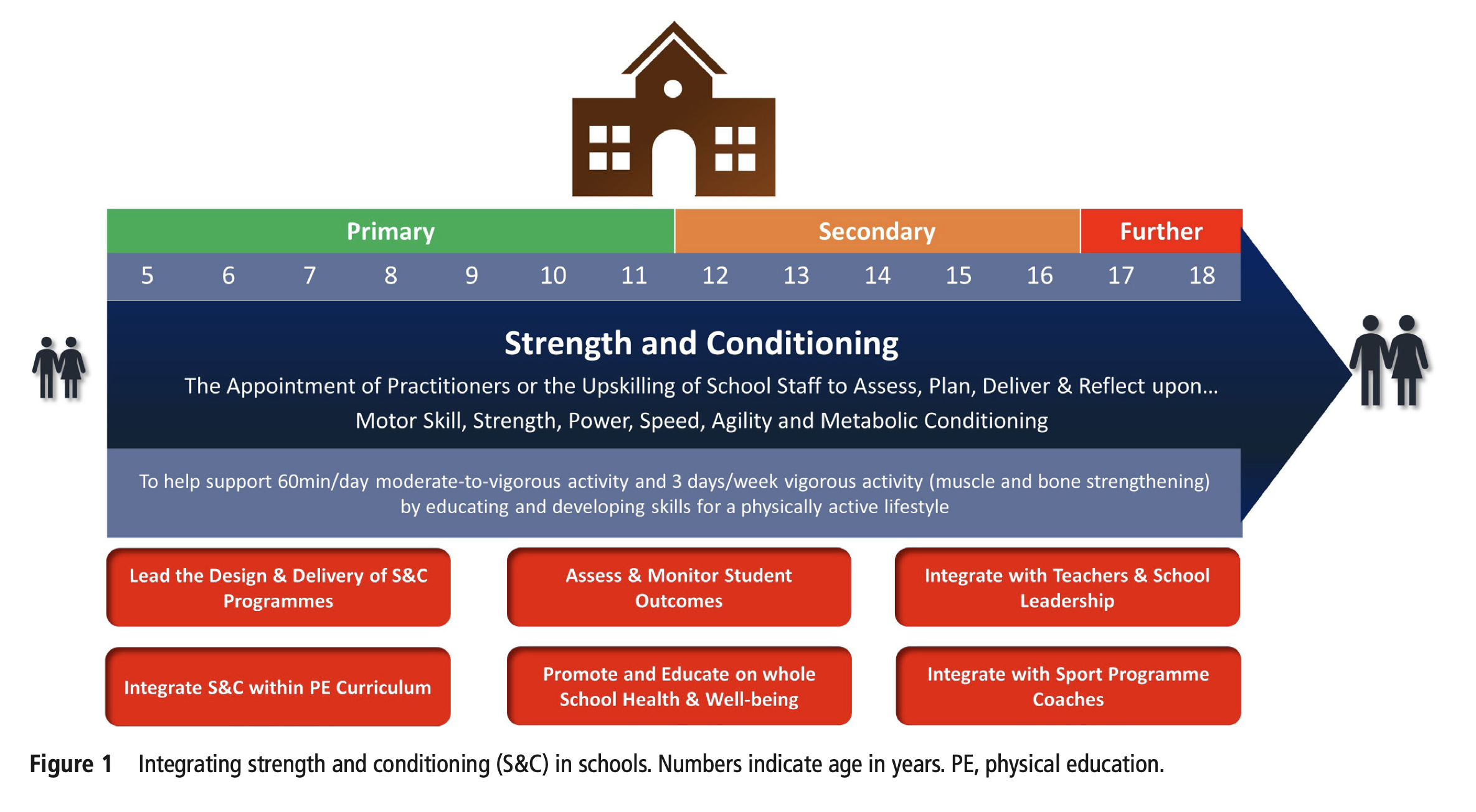
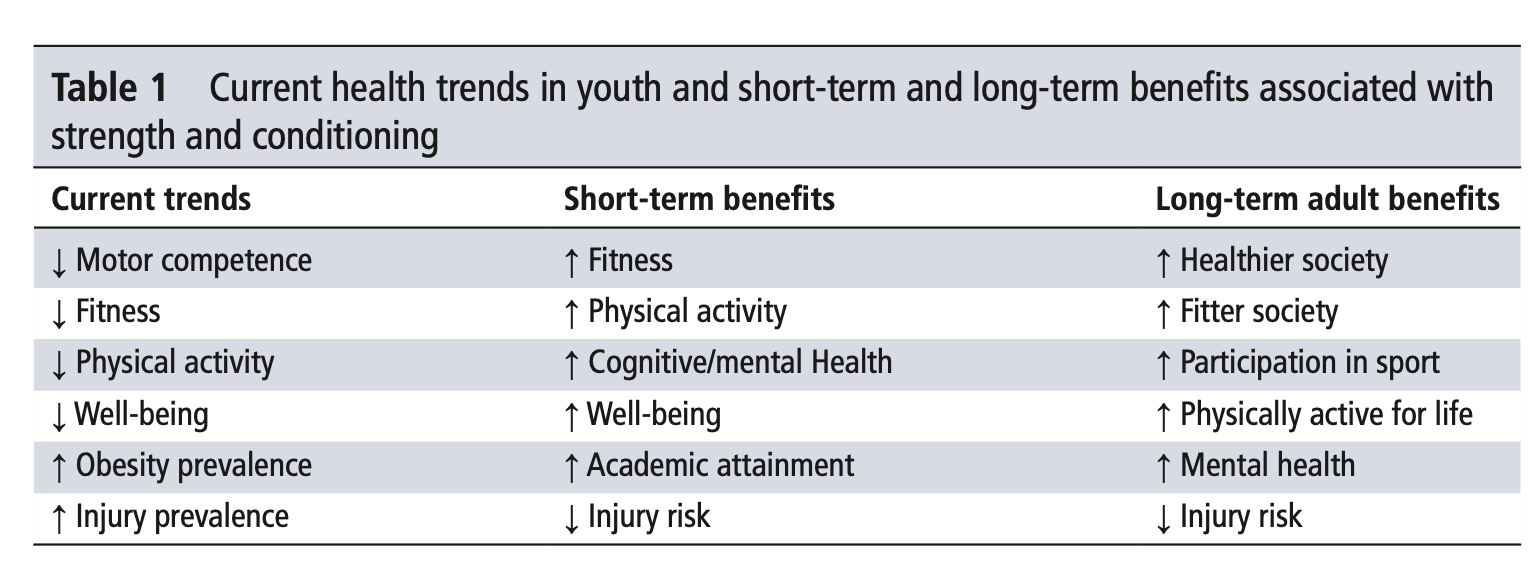
    Otte, F. W., Millar, S. K., & Klatt, S. (2019). Skill training periodization in “specialist” sports coaching—an introduction of the “PoST” framework for skill development. Frontiers in Sports and Active Living, 1, 61.

    Strength and conditioning in schools: a strategy to optimise health, fitness and physical activity in youths

    In this editorial, the authors argue that schools are an ideal environment for mass implementation of strength and conditioning interventions to support youth development. The author recommend that schools should aim to systematically incorporate strength and conditioning and wider physical activity into year-round timetables. This could be achieved by employing qualified youth strength and conditioning practitioners, and/or educating and upskilling current staff and stakeholders.

    Full-text article:

    Till, K., Bruce, A., Green, T., Morris, S. J., Boret, S., & Bishop, C. J. (2022). Strength and conditioning in schools: a strategy to optimise health, fitness and physical activity in youths. British Journal of Sports Medicine, 56(9), 479-480.

    Rugby Science Update 3

    A game for all shapes and sizes? Changes in anthropometric and performance measures of elite professional rugby union players 1999–2018

    This study aimed to assess the longitudinal changes in mass, velocity, momentum and peak kinetic energy using two decades of standardised elite and international rugby player data. The study showed that professional players are now leaner, heavier, faster and cover more distance than ever before. When professional rugby players collide, the forces involved have also risen. The implications of these findings however are yet to be fully understood.

    This article is open access and free to download on the journal’s website.

    Bevan, T., Chew, S., Godsland, I., Oliver, N. S., & Hill, N. E. (2022). A game for all shapes and sizes? Changes in anthropometric and performance measures of elite professional rugby union players 1999–2018. BMJ open sport & exercise medicine, 8(1), e001235. 

    Poor isometric neck extension strength as a risk factor for concussion in male professional Rugby Union players

    This study aimed to establish if reduced neck strength was a risk factor for concussion in professional male rugby players. The study identified a specific neck strength range associated with increased concussion rates and found that reduced neck extension strength is a risk factor for concussion in male professional rugby players.

    Farley, T., Barry, E., Sylvester, R., De Medici, A., & Wilson, M. G. (2022). Poor isometric neck extension strength as a risk factor for concussion in male professional Rugby Union players. British journal of sports medicine. Online first. 

    Effectiveness of the Activate injury prevention exercise programme to prevent injury in schoolboy rugby union

    The main aim of this study was to assess the effectiveness of Activate (a 15–20 min warm-up programme) to lower match and training injury rates (incidence and burden) in schoolboy rugby union (under-12 to under-19). A secondary aim was to examine the dose–response relationship between weekly Activate adherence and injury incidence. The study found individuals playing for teams adopting Activate had a lower match and training injury incidence when compared with those not using Activate. Individuals with high weekly Activate adherence (≥3 Activate sessions per week) had a lower match and training injury incidence than those with low adherence (<1 Activate session per week). Therefore, Activate appears effective at lowering injury risk in schoolboy rugby union, with maximum benefit when completing the programme three times per week.

    Barden, C., Hancock, M. V., Stokes, K. A., Roberts, S. P., & McKay, C. D. (2022). Effectiveness of the Activate injury prevention exercise programme to prevent injury in schoolboy rugby union. British Journal of Sports Medicine. Online first. 


    Rugby Science Update 2

    Comparison of Weightlifting, Traditional Resistance Training and Plyometrics on Strength, Power and Speed: A Systematic Review with Meta-Analysis

    This review aimed to explore whether weightlifting resulted in greater improvements in measures of strength, power, speed and change of direction speed compared with traditional resistance training, plyometric training or controls. Findings from 16 studies suggested there are moderate to large benefits of weightlifting for improvements in strength, counter movement jump, squat jump and speed performance when compared with no additional training beyond sports practice or typical physical activities. Whilst improvements in strength were found to be similar following both weightlifting and traditional resistance training, weightlifting may be superior for improvements in weightlifting performance (i.e. load lifted) and counter movement jump height. Factors such as population characteristics or programme design may also influence these outcomes.

    This article is open access and the full article is free to download.

    Morris, S. J., Oliver, J. L., Pedley, J. S., Haff, G. G., & Lloyd, R. S. (2022). Comparison of Weightlifting, Traditional Resistance Training and Plyometrics on Strength, Power and Speed: A Systematic Review with Meta-Analysis. Sports Medicine, 1-22.

    What Learning Environments Help Improve Decision-Making?

    This study attempted to provide a greater understanding of coaches’ perceptions and strategies for specifically developing on-ball decision-making abilities in players. In the paper, the authors were interested in what strategies coaches believe would improve player decision-making, how they would create a learning environment to specifically train decision-making, and how this may influence the on-ball decision-making opportunities for the players.

    The study found coaches are aware of the strategies which may promote decision-making opportunities for players such as the use of questioning, constraints-led pedagogy and using Playing Form rather than Training Form activities. While the data may suggest coaches are aware of potential strategies to promote player decision-making and are attempting to move away from traditional coaching approaches, the findings provide evidence to suggest that coaches still over-coach, with high amounts of instruction and a very stop-start nature to the activity. This coaching practice potentially limits the problem-solving and decision-making demands on players. The findings support researchers who indicate there is still a disconnect between intention and practice, with the application of more effective coaching methods proposed in the research still a challenge to implement for coaches.

    O’Connor, D., Larkin, P., & Williams, A. M. (2017). What learning environments help improve decision-making?. Physical Education and Sport Pedagogy, 22(6), 647-660.

    Characteristics of Complex Systems in Sports Injury Rehabilitation: Examples and Implications for Practice

    This review applies the complex systems approach to return to sport. The paper highlights the characteristics and terminologies of complex systems, using a case of anterior cruciate ligament injury rehabilitation. Alternative forms of scientific inquiry, such as the use of computational and simulation-based techniques, are also discussed—to move the complex systems approach from the theoretical to the practical level.

    This article is open access and the full article is free to download.

    Yung, K. K., Ardern, C. L., Serpiello, F. R., & Robertson, S. (2022). Characteristics of complex systems in sports injury rehabilitation: examples and implications for practice. Sports Medicine-Open, 8(1), 1-15.

    Rugby Science Update 1

    The impact of matches and travel on rugby players’ sleep, wellness and training

    The purpose of this study was to determine the influence of trans-meridian travel and matches on the sleep, wellness, and training of players from four Super Rugby teams during the 2017 Super Rugby season. Travel was associated with substantial sleep deprivation for three of the teams when overseas, which can be explained by travel fatigue, jet lag and a disruption of the normal sleep habit (sleeping in a non-familiar environment and sharing room with a team-mate). The findings of this research suggest that players in four Super Rugby players suffer reduced wellness and an overall sleep deficit when they travel overseas. As trans-meridian travel appears to affect players’ sleep, teams should implement strategies such as melatonin supplementation and light exposure to reduce the effect of jet lag. A correct sleep hygiene could also help players in catching up with the sleep loss they may experience throughout the season and following travel. As there was some evidence of substantial individual responses, teams should carefully monitor the sleep of their players with particular attention to those who sleep more than average, as they may suffer more sleep disruption.

    Lo, M., Aughey, R. J., Hopkins, W. G., Gill, N., & Stewart, A. M. (2022). The impact of matches and travel on rugby players’ sleep, wellness and training. PloS one, 17(2), e0261517.

    Training load, injury burden, and team success in professional rugby union: risk versus reward

    The purpose of this study was to establish whether associations among training load, injury burden, and performance exist within rugby. The study found injury burden was negatively associated with performance, whereas training load measures displayed only trivial associations with performance.

    West, S. W., Williams, S., Kemp, S., Eager, R., Cross, M. J., & Stokes, K. A. (2020). Training load, injury burden, and team success in professional rugby union: Risk versus reward. Journal of athletic training, 55(9), 960-966.

    Physical characteristics of different professional rugby union competition levels

    The purpose of this study was to evaluate whether differences in physical characteristics (running-related and collision-related) derived from microsensor technology exist between four different professional rugby union competition levels. The study found collisions per minute, Collision Load™ per minute and High Metabolic Load Efforts per minute were all higher during International Rugby and European Rugby Champions Cup match-play, when compared to PRO14 and British and Irish Cup match-play. Distance per minute and High-Speed Running distance per minute were lower during International Rugby and European Rugby Champions Cup match-play, when compared with PRO14 and British and Irish Cup match-play. Our data suggest that rugby union players require specific physical preparation for different levels of competition. In particular, players may need specific preparation for higher collision demands at higher levels of competition.

    Tierney, P., Blake, C., & Delahunt, E. (2021). Physical characteristics of different professional rugby union competition levels. Journal of Science and Medicine in Sport, 24(12), 1267-1271.

    Running and Patellofemoral Pain Syndrome: What makes you weak at the knees?

    Patellofemoral Pain Syndrome (PFPS) is a knee condition associated with anterior knee pain when loading the knee in movements like squatting, stair climbing, running and jumping (Ferber et al., 2015). Due to its high prevalence and running becoming an increasingly common form of exercise, it is important that high quality evidence regarding treatment and preventative strategies are made accessible to the public.

    Like most soft tissue injuries, PFPS is also a multifactorial condition involving structural, sensorimotor, somatosensory, psychological, and nociceptive processing changes (Powers et al., 2017). Consequently, a consensus paper was written which outlined the current evidence-based understanding of the complex aetiology of this condition. Figure 1 shows the varied levels of scientific knowledge on the proposed mechanisms of the pathophysiology in PFPS.

    To understand how best to deal with PFPS we are going to look at a question posed by Ferber et al.: what is the best form of exercise when treating PFPS? According to the most recent consensus statement on treatment regarding PFPS, there is an understanding that exercise and multimodal treatment involving knee, hip and core training is the most evidence-based approach when treating PFPS (Crossley et al., 2016). However, until 2015, there had not been research into whether, in isolation, a hip and core or knee protocol is more efficient (Feber et al., 2015).

    Feber et al. (2015) included 199 individuals suffering from PFPS in the USA in a randomised control trial comparing a 6-week knee protocol (Figure 3) to a 6-week hip and core protocol (Figure 2). These programs used functional exercises to progressively overload the participants throughout the 6-weeks. Both protocols produced similar statistically significant increases in maximum isometric knee extension strength (Hip/Core – 8.04% (p<0.05); Knee – 6.37% (p<0.05)) and functional capacity measured by the Anterior Knee Pain Score (Hip/Core – 12.58% (p<0.05); Knee – 12.90% (p<0.05)) post treatment . However, the hip and core protocol had a greater reduction in VAS pain scores after 3-weeks (p<0.05) even though pain scores were equal at 6 weeks. The hip and core also produced greater hip extension (Hip/Core – 11.34%; Knee – 7.13%; p<0.05) and abduction (Hip/Core – 11.46%; Knee – 8.21%; p<0.05) maximal isometric strength post treatment (Feber et al., 2015). Both of these variables are shown to be possible risk factors for PFPS (Figure 1). Therefore, the hip and core protocol may have a greater efficiency when treating PFPS as it targets more risk factors than the knee protocol.

    Six Week Hip and Core – Strengthening Protocol from Feber et al. (2015).

    Six Week Knee Focused Protocol from Feber et al. (2015)

    Therefore, this hip and core exercise protocol, which is time efficient and uses a shotgun approach against the risk factors relating to PFPS, may be a much sort after injury prevention program for runners wanting to avoid future anterior knee pain.

    References

    Crossley, K. M. et al. (2016) ‘2016 Patellofemoral pain consensus statement from the 4th International Patellofemoral Pain Research Retreat, Manchester. Part 2: Recommended physical interventions (exercise, taping, bracing, foot orthoses and combined interventions)’, British Journal of Sports Medicine, 50(14), pp. 844–852. doi: 10.1136/bjsports-2016-096268.

    Ferber, R. et al. (2015) ‘Strengthening of the hip and core versus knee muscles for the treatment of patellofemoral pain: A multicenter randomized controlled trial’, Journal of Athletic Training, 50(4), pp. 366–377. doi: 10.4085/1062-6050-49.3.70.

    Powers, C. M. et al. (2017) ‘Evidence-based framework for a pathomechanical model of patellofemoral pain: 2017 patellofemoral pain consensus statement from the 4th International Patellofemoral Pain Research Retreat, Manchester, UK: Part 3’, British Journal of Sports Medicine, 51(24), pp. 1713–1723. doi: 10.1136/bjsports-2017-098717.

    Overuse injuries in basketball: A dribble of sprains and pains

    by Tumelo Lethule 

    Basketball has become one of the most popular sports in the world and has given us the pleasure of gushing over NBA stars such as O’neal, James, Curry and of course, the legendary Jordan. As a non-contact sport, basketball remained one of the safest sports ever played. However, as the sport seems to increase its popularity status; so did the injuries associated with the sport. Injuries most common to basketball are ankle sprains, knee injuries, lower back pains, facial and finger injuries as well as anterior cruciate ligament injuries.

    In comparison with contact and other non-contact sports, basketball has been classified as one of the sports with a higher injury risk of injury and injury incidence [2]. Because basketball is a sport that requires speed, strength and power to accomplish movements such as rebounds and jump-shots, one can presume that players are likely to suffer some injuries when performing these highly dynamic movements [2].

    Weiss, KJ et. al [1] used the Oslo Sports Trauma Research Questionnaire (OSTRQ) to record the onset of overuse injuries for the ankle, knee and lower back in professional male basketball players. The author assessed the prevalence and severity of overuse injuries and also determined the efficacy of the questionnaire over one season. The authors found that severe knee overuse injuries were reported more than ankle and lower back injuries [1], suggesting injury prevention strategies may need to focus on the knee.

    Another study showed the prevalence of injuries in female basketball players (19.5% ankle injuries, 20.6% knee injuries) and in male basketball players (28.4% ankle, 17.5 knee injury) [3] suggesting a higher injury risk in women than men. Zuckerman and his team [4] found that during practice, males had a higher rate of ankle injury compared to females while females have higher rate of overuse knee injuries curing practice. From these findings, one can assume that females are more at risk to knee injuries and male’s ankle injuries.

    While the underlying causes of injuries are yet to be fully understood, some research has emerged to understand how these injuries occur. Ankle sprains may occur as an athlete lands on an opponent’s foot. Overuse knee injuries seem to be caused by overloading and previous injury. Interestingly, knee injuries are seen mostly in centre players than any other positions, suggesting that playing positions may be a risk factor [2].

    The cause of overuse knee injuries and ankle sprains is still a puzzle that seems to have little pieces, at least for now. With that said, through injury surveillance and the identification of injury risk factors and further understanding how injuries occur, better injury prevention strategies can be formulated and implemented. Until then, sprains and pains remain a concern in basketball.

    References:

    [1] Weiss, K.J., McGuiren, MR, Besier, T.F., Whatman, CS, 2017. Application of Simple Surveillance Method for Detecting the Prevalence and Impact of Overuse Injuries in Professional Men’s Basketball. The Journal of Strength and Condition Research, 31(10), p2734-2739.

    [2] Cumps, E., Verhagen, E., and Meeusen, R. 2007. Prospective epidemiological study of basketball injuries during one competitive season: Ankle sprains and overuse knee injuries. Journal of Sports Science and Medicine, 6, p204-211.

    [3] Andreoli, C.V., Chiaramonti, B.C., Biruel, E., Pochini, Andre de Castro, Ejnisman, B., Cohen, M., 2018. Epidemiology of sports injuries in basketball: integrative systematic review. BMJ Open Sport Exerc Med

    [4] Zuckerman, SL, Wegner, AM, Roos, KG, et. al. 2018. Injuries sustained in National Collegiate Athletic Association men’s and women’s basketball, 2009/2010-2014/2015. British Journal Sports Medicine, 52: 261-268

    FIFA 11+: An effective way to reduce injuries in amateur soccer players?

    by Aminah Emeran

    Soccer is arguably the most popular sport globally, with an estimated 200 million players worldwide (1). There are many health benefits of playing soccer, including reducing the risk of type 2 diabetes and hypertension (2). Despite its health benefits, soccer also poses a significant risk of injury (3), particularly to areas such as the knee, ankle and thigh (4). These injuries are largely attributed to insufficient warm-ups, muscle fatigue and imbalance (5). A study conducted on the incidence of soccer injuries, showed that 15-20 injuries occurred per 1000 hours of match play, in players above 15 years old (6).

    Because of the high incidence of soccer injuries worldwide, an injury prevention strategy for amateur players was developed in 2006, called the FIFA 11+. The FIFA 11+ comprises of a simple warm-up routine consisting of 15 exercises, that soccer players are to perform for a minimum of 2 times per week. The warmup requires minimal equipment, is available online and can be performed within 10-15 minutes (7).

     The FIFA 11+ prevention programme

    Does the warmup reduce injury risk?

    This question was answered by conducting trials that implemented the FIFA 11+ intervention into real life practice. These trials were then analysed in systematic reviews. The studies selected for review were implemented in a range of locations including North America, Europe, Asia and Africa, and tested male and female amateur players, with ages ranging from 15-45 years (7–10).

    Overall results showed that implementing the FIFA 11+ warm-up for about 2 months, reduced the number of injuries in male and female amateur players between 13 and 25 years, by 30-39%. Studies also showed an improvement in motor and neuromuscular performance such as improved balance, increased quadriceps and muscle strength, speed and agility (7,8,10). The largest reduction in injury risk occurred when players adhered to performing the warm-up correctly. This was achieved with the help of supervision from coaches. Studies where little reduction in injury was seen, could be due to lack of compliance to the intervention and lack of guidance from coaches (7).

    These results sound very promising. However, there are some limitations in the studies analysed. These include a risk of outcome bias that could result from the participants knowing that they were receiving the 11+ intervention, and the researcher knowing what group did and did not perform the intervention (9). Some studies also used different injury definitions, with some not even defining the type of injury analysed (8).

    Despite these limitations, the warm-up has been successfully utilised in other sporting fields, such as basketball. It has also been endorsed by 20 FIFA Member Associations. Thus, given the high prevalence of soccer injuries sustained by amateur players, the FIFA 11+ intervention is recommended to reduce injury risk (7)(9).

    References:

    1. FIFA C. FIFA Big Count 2006: 270 million people active in football. FIFA Commun Div Inf Serv. 2007;31:1–12.
    2. Krustrup P, Bangsbo J. Recreational football is effective in the treatment of non-communicable diseases. Br J Sports Med. 2015;49(22):1426–7.
    3. Rahnama N, Reilly T. Injury risk associated with playing actions during competitive soccer. Br J Sport Med [Internet]. 2002;36:354–9. Available from: http://bjsm.bmj.com/
    4. Price RJ, Hawkins RD, Hulse MA, Hodson A. The Football Association medical research programme: An audit of injuries in academy youth football. Br J Sports Med. 2004;38(4):466–71.
    5. Ekstrand J, Hägglund M, Waldén M. Injury incidence and injury patterns in professional football: The UEFA injury study. Br J Sports Med. 2011;45(7):553–8.
    6. Faude O, Rößler R, Junge A. Football injuries in children and adolescent players: Are there clues for prevention? Sport Med. 2013;43(9):819–37.
    7. Barengo NC, Meneses-Echávez F, Ramírez-Vélez R, Cohen DD, Tovar G, Correa Bautista JE, et al. The Impact of the FIFA 11+ Training Program on Injury Prevention in Football Players: A Systematic Review. Int J Environ Res Public Heal [Internet]. 2014;11:11. Available from: http://www.mdpi.com/journal/ijerph
    8. Thorborg K, Krommes KK, Esteve E, Clausen MB, Bartels EM, Rathleff MS. Effect of specific exercise-based football injury prevention programmes on the overall injury rate in football: A systematic review and meta-analysis of the FIFA 11 and 11+ programmes. Br J Sports Med. 2017;51(7):562–71.
    9. Sadigursky D, Braid JA, De Lira DNL, Machado BAB, Carneiro RJF, Colavolpe PO. The FIFA 11+ injury prevention program for soccer players: A systematic review. BMC Sports Sci Med Rehabil. 2017;9(1):1–8.
    10. Bizzini M, Dvorak J. FIFA 11+: An effective programme to prevent football injuries in various player groups worldwide – A narrative review. Br J Sports Med. 2015;49(9):577–9.

    Wimbledon – it’s not all just strawberries and cream

    by Jenna Bloom

    When you’re watching Wimbledon, have you ever wondered how busy the doctors and physiotherapists are behind the scenes?

    Well, McCirde et. al. (2016) wanted to determine the rate of injuries that occurred during Wimbledon, which could assist scientists to eventually develop measures to prevent injuries. (3)

    They study found that there were 700 injuries over the 10 years of Wimbledon (2003 to 2012), with a total of 12 212 sets played. The overall injury rate was 20.7 injuries per 1000 sets played. (3) McCirde et. al. (2016) observed that males had lower injury rates than females despite males playing more sets. (3) However, Sallis et. al. (2001) found that there was no significant difference in injury rate between females and males across seven different sports including tennis. (6) Differences in injury rates between sexes could be due to woman having higher oestrogen levels, more fat, more flexibility and less muscle mass. (5)

    Figure 1 indicates the percentage of each injury type sustained over the 10 years of Wimbledon. This figure shows that there was a large percentage of injuries sustained before Wimbledon, indicating the demanding nature of a professional tennis players’ season. (3)

    As seen in Figure 2 and 3, the most common injuries in both genders were in the shoulder, knee and lumbar spine. Groin, hip, heel and ankle injuries were more common in males than females, who suffered more wrist and foot injuries. From this we can see that in both genders, injuries in the lower extremities were most common. (3)

    Different tennis court surfaces have different properties. For example, on a grass court the ball bounces less and the rallies are shorter. (3) According to Nigg et. al. (1987) playing on various surfaces could be associated with injuries of the lower extremity. They further stated that overuse injuries have become more prevalent since the increased use of artificial surfaces. More research should be done to investigate the association between tennis court surfaces and injuries. (4)

    Research determining injury rates in tennis is extremely limited and often has variable outcomes. It is extremely important to determine injury rates in tennis players as it can improve knowledge regarding player care and can lead to the reduction of injuries. So next time you watch Wimbledon, remember – it’s not all just strawberries and cream!

    References

    1. Dharsaun, A., Dharsaun, A., Patel, N. and Patel, N., 2021. These Are The 5 Best Serve Techniques In The History Of Tennis – Playo. [online] Playo. Available at: <https://blog.playo.co/5-best-serving-techniques-tennis-history/&gt; [Accessed 10 April 2021].
    2. Gordon, A., 2021. Science Explains Why Female Tennis Players Can Serve As Fast As Men. [online] Slate Magazine. Available at: <https://slate.com/culture/2014/09/sabine-lisicki-record-serve-science-explains-why-female-tennis-players-can-serve-as-fast-as-men.html&gt; [Accessed 10 April 2021].
    3. McCurdie, I., Smith, S., Bell, P. and Batt, M., 2016. Tennis injury data from The Championships, Wimbledon, from 2003 to 2012. British Journal of Sports Medicine, 51(7), pp.607-611.
    4. Nigg, B. and Yeadon, M., 1987. Biomechanical aspects of playing surfaces. Journal of Sports Sciences, 5(2), pp.117-145.
    5. Robert H. Shmerling, M., 2021. The gender gap in sports injuries – Harvard Health Blog. [online] Harvard Health Blog. Available at: <https://www.health.harvard.edu/blog/the-gender-gap-in-sports-injuries-201512038708&gt; [Accessed 13 April 2021].
    6. Sallis, R., Jones, K., Sunshine, S., Smith, G. and Simon, L., 2001. Comparing Sports Injuries in Men and Women. International Journal of Sports Medicine, 22(6), pp.420-423.

    The Knee-d to run

    by Shana-Lee Bownes

    Lockdowns that had us all cooped up in our homes for over a month seems to have sparked a greater appreciation for exercise in us all. Who can forget how ironically crowded the Cape Town beach front walkway was on the 1st May 2020 with walking folk and runners eagerly tottering about with mask-concealed smiles.

    Running is arguably one of the most accessible forms of exercise and a popular choice adopted by many trying to stay fit and get outside, especially during the hard lockdown. A survey conducted by De Jong and colleagues (2021) about running during the pandemic found a small but significant  increase in running mileage of 1,4km per week (great) but also a 1,4 times the injury risk compared to before the pandemic (not so great)(DeJong, Fish et al. 2021).

    Here’s the story: We dust off out running shoes and hop on the road. The first few training sessions are rough, but then they get easier and that’s when the bug bites. Suddenly you’re up at 5am on a Saturday for your long run and posting a snap of your coffee #postrunfeels. But that little niggle in your knee that gradually builds up as you run is still there and often when niggles are ignored they have the potential to turn into more serious injuries. When looking at the studies published in running injuries van der Worp and colleagues found that injury was reported between 19,8-25% in men and 79,1-79,5% in women who run (van der Worp, ten Haaf et al. 2015).

    Research on running injury prevention has unfortunately been somewhat inconclusive. Messier and colleagues have undertaken a very important step to improve research in this area by unpacking all of the different factors that contribute to developing running injuries. Over a two year period they followed 300 runners, testing running specific, physical and psychological characteristics. During the study 66% of participants sustained injuries in the two year period. Expressing more negative emotions, being a female and knee stiffness was associated with injury, this is unsurprising considering knee injuries were most commonly reported. Knee stiffness, especially in those weighing 80+ kilos, significantly increased the chances of developing one of those pesky overuse injuries (Messier, Martin et al. 2018).

    So, where to from here? Hopefully with this knowledge we can focus our efforts on discovering the mechanisms by which these risk factors contribute to injury. Hopefully by addressing these risks we can come up with strong preventative measures. Measures will translate well into the running community and when implemented – will protect us against injury.

    Until then in the wise words of Dean Karnazes: “Run when you can, walk if you have to, crawl if you must; just never give up.” (Meuller 2020)

    References

    DeJong, A. F., P. N. Fish and J. Hertel (2021). “Running behaviors, motivations, and injury risk during the COVID-19 pandemic: A survey of 1147 runners.” PLOS ONE 16(2): e0246300.

    Messier, S. P., D. F. Martin, S. L. Mihalko, E. Ip, P. DeVita, D. W. Cannon, M. Love, D. Beringer, S. Saldana, R. E. Fellin and J. F. Seay (2018). “A 2-Year Prospective Cohort Study of Overuse Running Injuries: The Runners and Injury Longitudinal Study (TRAILS).” Am J Sports Med 46(9): 2211-2221.

    Mueller, S (2020). “60 Inspiring and Motivating Running Quotes” [online] Planet of Success. Available at: <http://www.planetofsuccess.com/blog/2017/motivating-running-quotes/&gt; [Accessed 11 April 2021].

    van der Worp, M. P., D. S. ten Haaf, R. van Cingel, A. de Wijer, M. W. Nijhuis-van der Sanden and J. B. Staal (2015). “Injuries in runners; a systematic review on risk factors and sex differences.” PLoS One 10(2): e0114937.

    The Shot Heard Around the World: Achilles Tendon Injuries

    by Ashleigh Thomas

    If you’ve heard or experienced an achilles tendon rupture, you’ll know exactly what the title is alluding to. If you don’t know, an achilles tendon rupturing sounds like a gunshot, and it’s as painful as it sounds. Researcher Gregory Hess, in his 2010 review of “Achilles Tendon Rupture” in the Foot and Ankle Specialist Journal, writes that the number of sporting injuries is increasing with the increase in sport participation. The most common injury; achilles tendon injuries. This begs the questions: how can we avoid them (and the months of no sport participation and gruelling rehab) and who is most vulnerable?

    Schepsis, Jones and Haas (2002) comment that the increase in sport-related achilles tendon injuries as going from 2 to 12 cases per 100 000 in less than 10 years. Typically, this occurs in males during their 4th and 5th decade of life (Schepsis et al., 2002). The injury also appears to occur most commonly in racquet sports such as tennis, squash, and badminton (Schepsis et al., 2002:298). It appears that this injury is the achilles heel of middle-aged male squash players.

    It is important to understand the mechanisms of this injury. Hess (2010) explains that 53% of reported cases are due to the push-off mechanism (off the weight bearing leg with the knee extended). Other mechanisms include unexpected ankle dorsiflexion and violent dorsiflexion of a plantar flexed ankle during running/jumping/agility activities/activities involving eccentric loading/explosive plyometric contractions (Hess, 2010).

    Figure 1: The anatomy of the Achilles Tendon

    The achilles’ structure and function are also pieces of the puzzle. The achilles is an extension of two independently moving muscles, the gastrocnemius and soleus muscles, and it attaches to the posterior heel bone. The tendon is primarily composed of collagen which forms cross-links that allow it to resist high tensile forces (Hess, 2010). Forces stretching the tendon beyond 4% result in some of these cross-links failing and stretching beyond 8% is likely to result in a rupture (Hess, 2010).

    Additionally, defects in the tendon’s structure could result in a rupture as it has a poor nutrient and blood supply (Hess, 2010). A rupture is also likely if degeneration and overloading occur repeatedly over extended periods of time (Hess, 2010). Therefore, it makes sense that the proposed processes for achilles tendon degeneration and rupture are tendinosis and chronic tendinopathy because these conditions cause an imbalance between tendon degeneration and repair (Hess, 2010).

    How can we identify individuals who may be at risk of experiencing such excruciating pain? Through research, a number of intrinsic and extrinsic factors which predispose individuals to sustaining a rupture have been identified. The presence of these can increase the likelihood of a rupture. These factors, as described by Hess (2010), are seen in Figure 2.

    Figure 2: The extrinsic and intrinsic factors predisposing individuals to achilles tendon rupture adapted from Hess (2010).

    Individuals exhibiting these factors should take extra precaution as Hess (2010) writes that a combination of these factors reduce the tensile strength of the tendon and contribute to faulty biomechanics and compensatory mechanisms which can evolve into a tendon rupture. A key factor that Schepsis et al. (2002) emphasizes, and which Hess (2010) agrees with, is the degenerative effect of natural ageing on the tendon resulting from decreased blood flow, decreased collagen tensile strength and increased tissue stiffness (Schepsis et al., 2002). These aging effects reduce the tendon’s ability to handle stress, predisposing it to injury.

    All is not lost; there are things you can do to try to prevent this from happening. A rupture could be prevented by avoiding degenerative changes in the tendon by doing regular physical activity, and by allowing adequate rest following tendon injury (Hess, 2010). Eccentric strengthening of calf muscles has also been linked to prevention of rupture (Hess, 2010). However, we still have many questions to answer before we can say for certain what the best method of prevention is. This also speaks to the gap in this area and research going forward should focus on the implementation and the effectiveness of prevention programs.

    References

    • Hess, G., 2010. Achilles Tendon Rupture. Foot & Ankle Specialist, 3(1), pp.29-32.
    • Schepsis, A., Jones, H. and Haas, A., 2002. Achilles Tendon Disorders in Athletes. The American Journal of Sports Medicine, 30(2), pp.287-305.
    • de. 2021. Achilles tendon – anatomy and importance. [online] Available at: <https://www.medi.de/en/health/the-body/tendons-and-ligaments/achilles-tendon/&gt; [Accessed 9 May 2021].

    Rugby and CTE (Part 2)

    by Ken Quarrie
    I am at the point where I think chronic traumatic encephalopathy (CTE) is a term that isn’t very useful, because people are using it to mean very different things. I think “Sport-related neurodegenerative disease” and “Sport-related dementia” might be better. 

    Neurosurgeon Discuss Concussion Brain Injury CTE Kids Play Football Risk – Corn Nation

    In the above article, I think Dr Samadhani’s comments capture something that is really important – the conflation in the lay understanding of CTE pathology and brain function.In some of the media coverage there almost this “vulture-like” watching for the results of an autopsy, with any behavioural issues or life struggles then attributed to the “CTE” found.

    Is CTE a “progressive neurodegenerative disease?” that develops and spreads through the brain after trauma has finished? Or is it a pathology that, once the insult to the brain has “healed” (to the extent it does) pretty much remains inert? (See Iverson et al. 2019) There have been strong claims by some researchers that CTE is a primary, progressive neuropathology, as per Dr Ann McKee’s description here concussionfoundation.org/CTE-resources/…

    Case-series studies do not provide a basis for making causal claims. There have been instances in the CTE literature where a discussion point in a paper describing a case-series has subsequently been cited as providing evidence for the assertion in later papers.

    Just like epidemiologists are not pathologists, neither are (most) pathologists experts in study design or epidemiology. I think some of the CTE papers might have stated things very differently had they had epidemiologists on board. Or maybe not? 🤷🏻‍♂‍Prof. Goldstein is here discussing the “profound discordance” the issues and difficulties (young people especially) were having prior to their deaths, and the degree of CTE pathology found at post-mortem. videocast.nih.gov/summary.asp?li…
    The NIH video cast of the event is worth watching for those with an interest in what is, and is not, known about CTE. Discussions about the importance of Tau versus white matter changes, and much else besides.

    Brand & Finkel ⁦‪provide a useful framework for assessing decisions with respect to CTE. I respectfully disagree with *some* of their assertions and conclusions, but agree with much more than I disagree: See Brand & Finkel 2020

    People say “you don’t want to be on the wrong side of history with this”. Of course I don’t. No-one looks forward to being judged as having acted unwisely, or not having acted “soon enough” to prevent suspected harms.

    I don’t know what the future will hold. To minimise my chances of “being on the wrong side of history” I plan to continue to act according to my best understanding of the evidence, in light of the fact that society’s appetite for, and acceptance of, risk changes over time.

    At present I think the risks of developing CTE have:

    • Been exaggerated with respect to likelihood of outcome
    • Simplified (exclusion or disregard of other factors that may be contributing to poor health post-career)
    • There has also been premature linking of clinical conditions with pathology

    I have yet to see evidence of “lots” of former players presenting with early onset dementia. I sincerely hope I don’t, but if it occurs I would be driving hard for fundamental changes to the permitted activities in rugby. As I did a generation ago with respect to spinal injuries.

    That is not to say that changes in rugby since it became a professional sport might not have increased the risk. Part of a current project in which I am involved is to establish that risk – we are using a similar approach to that used by ⁦‪@WillStewNeuro⁩‬ and colleagues for football.

    There is good evidence that rugby, as a sport, has become more “physical” at the elite level of the sport since it became professional. This “old” paper from Will Hopkins and me shows some of the trends early after the introduction of professionalism. (Quarrie and Hopkins 2007). Players got (much) bigger (and faster) , and there were greater numbers of contact situations per match. More recent work by Schoeman et al. (2017) indicates those trends continued, although Tucker et al. (2021) and colleagues have produced a report that suggests that increases in body mass may now have plateaued.
    In any case, it is clear that since the sport became professional the average size, strength and speed of players has increased dramatically, as has their exposure to contact and high energy collisions. The effects of this have been well-documented in the extraordinary injury surveillance project run by the RFU. (West et al. 2020). Tackles have been identified as the element of play associated with the greatest injury burden in rugby. “Burden” is defined as incidence multiplied by severity. The research was conducted by people who are interested in rugby.

    Identifying that some aspect of an activity is the “most dangerous” does not necessarily imply that it must be removed. This is where comparative risks (across other activities/at different levels of the same activity) need to be considered.

    For what it is worth, I suspect that in cohorts of former high-level rugby players sequelae from musculoskeletal injuries (for example, osteoarthritis) will result in greater DALYs than will cognitive or psychological issues.

    As ⁦‪@WillStewNeuro⁩‬ has said elsewhere, we need to understand both absolute and relative risk to keep things in context. A large increase in relative risk on a very “vanishing small” base rate still yields a very low rate.

    Re-highlighting this important paper from the Lancet last year. It suggests that across the population, traumatic brain injury (across the entire spectrum of severity) accounts for about 3% of the modifiable life risks for the development of dementia. (Livingston et al. 2020)

    Heavy alcohol use, which has been (at least historically) a feature of involvement with participating in New Zealand rugby from the teenage years on, features as a risk. The lack of solid science to date around causal relationships between head injury and CTE is highlighted. (Livingston et al. 2020)

    The lack of solid science to date around causal relationships between head injury and CTE is highlighted.

    “The term chronic traumatic encephalopathy describes sports head injury, which is not yet fully characterised and covers a broad range of neuropathologies and outcomes, with current views largely conjecture.” (Livingston et al. 2020)

    This statement on the strength of the evidence stands in stark contrast to the claims made by various policy advocates and what seems to be widely believed in the media.

    There is an entire body of work underpinning public health interventions in sport – we aren’t just “making this up as we go along”. See, for example:health.gov.on.ca/en/pro/program…

    Many changes to rugby have been made as a result of that work. RugbySmart, BokSmart and other injury prevention programmes have been widely recognised within the sports science/ sports medicine communities as having had positive effects on the risks of injuries. Like many areas of science where the evidence is equivocal, debates often get heated. When the science is settled, there is little to argue about.
    I think people’s values and biases (and *everyone* has them, including me) play a part in how they interpret the evidence. I am happy to engage in good faith on the issues, but will ignore trolls who imply that I am a “shill” or “CTE denier”. I, having had multiple concussions during my rugby playing days, plus depression, would qualify as “possible CTE”. Have I got CTE pathology in my brain? Who knows? If I do, what relation does it bear to my current state? Again, who knows?!!
    The “Traumatic Encephalopathy Syndrome” first proposed by Montenigro et al. (2014) is remarkable in the breadth of conditions it encompasses, and the lack of specificity it entails. With respect to sports people going through tough times following their retirement – this is real, and well-recognised across a range of sports (contact and non-contact). But for former collision sports players these issues *do not necessarily mean* that they have “CTE” and have a one-way ticket to dementia. There are lots of very worried people who have conditions that are iatrogenic. Again, this doesn’t mean that for some the brain injuries they sustained during their sport didn’t contribute to what they are now experiencing, and for some their brain injuries were probably the major contributor.

    Ken Quarrie is the Chief Scientist for NZ Rugby. All views expressed are his own, and do not necessarily represent the position of his employer. The above article was compiled, with permission, from a thread of tweets by @KenQuarrie. For more on the topic, you can follow Ken at @KenQuarrie. You can also view Ken’s publications here – Ken’s Google Scholar Profile. 

    Rugby and CTE

    By Ken Quarrie 

    I have been seeing claims that some people are “sowing doubt” with respect to CTE (Chronic Traumatic Encephalopathy) and are thus acting like tobacco companies did with respect to heart diseases and lung cancer. I want to make a few comments about this. Before I get to the CTE issue, it is worthwhile that I put some background about me on the record, so that people are able to judge whether I am likely to have biases that might sway me to one position or another.

    I was brought up in New Zealand, in a family where rugby was *very* important. Dad played rep rugby for Wanganui and Waikato, and was an All Blacks triallist. As a kid I was a fan and obsessively read books about rugby and the All Blacks. I played the sport from childhood until my late 20’s. I had some really enjoyable times along the way. I also sustained (at least) five concussions. I was immersed in the Otago Uni/Dunedin rugby heavy drinking culture.

    I found that as I got older there were fewer aspects of the “rugby” culture with which I identified – @XTOTL captures some of that here: https://www.rnz.co.nz/news/the-wireless/374305/the-pencilsword-in-the-bin. I also had a good friend injured at the age of 15 in a scrum. He has been in a wheelchair since 1984.

    As well as rugby, as a kid I loved science. I have managed to combine those two loves into a career. I wouldn’t call myself a rugby “fan” anymore. I am a rugby scientist, and it helps to have a little distance from your object of study. Nevertheless, I still work for NZ Rugby (conflict of interest klaxons!). Having worked on independent research studies examining risks for injury in the 1990’s, I took a role with NZ Rugby in 2000 as their first “Injury Prevention Manager”. I realised that, as a scientist, my employment represented a conflict of interest, but I believed I could have a greater impact on improving player safety and welfare from within rugby than from the outside.

    I have been adamant with NZ Rugby and World Rugby that I must be allowed to conduct research without interference about what I can study, how I can analyse it, and what I can say about it. A look at my research outputs will reveal an eclectic mix of rugby studies. So when people “poison the well” by implying that any research funded by or conducted by sports organisations must necessarily be “suspect” I feel personally attacked. Doing good science is what I care about.

    Doing good science is what I care about.

    From a personal level, the welfare of players has, and does, take precedence for me over considerations of “tradition” or “maintaining the essence of the game”. But managing risks does not imply “eliminating all risks”. Reasonable people can look at an issue and disagree about it.

    So – the “tobacco company line”. Tobacco companies systematically downplayed the risks of their products, and attempted to “sow doubt” in the public mind. How is the CTE/concussion debate different? A key difference is that, despite there having been strong claims made about what causes CTE, how it develops, and what clinical outcomes it leads to, the reality is that the science of CTE is very young. There really *is* a lot of doubt about a number of the issues!

    The issues include whether CTE is, as has been claimed by some, a primary, progressive neurodegenerative disease. Questions remain about the cause(s) of the pathology. Questions remain about the “pathognomonic lesion” – i.e. what distinguishes CTE from other pathologies. Questions remain about the prevalence of the pathology. MAJOR questions remain about the relationship between having CTE pathology in the brain and any given clinical outcome. Do I think brain injuries are bad for health? Yes, undoubtably. I also think that the public perception of the strength of the evidence, and the prevalence of CTE as a public health issue doesn’t match the scientific understanding of it *at this point*.

    So to accuse “rugby” as having acted like tobacco companies to sow doubt about CTE is simply a smear, and a lazy and demonstrably false one at that.

    If former rugby players are struggling – for whatever reason – my heart is with them. I pledge to do my best to understand more about the long term health outcomes of playing rugby, so that people can better understand the risks and make informed choices about play. People involved in rugby, like Colin Fuller, @Sharief_H, @drkeithstokes, @drsimonkemp, @mattjcrossie, @Scienceofsport and yours truly and many others have identified and documented risks in rugby via research studies and injury surveillance. Many changes to rugby have been made as a result of that work. RugbySmart, BokSmart and other injury prevention programmes have been widely recognised within the sports science/sports medicine communities as having had positive effects on the risks of injuries. Likewise, the @NZRugbyFound has done great work on tertiary prevention. So to accuse “rugby” as having acted like tobacco companies to sow doubt about CTE is simply a smear, and a lazy and demonstrably false one at that.

    Ken Quarrie is the Chief Scientist for NZ Rugby. All views expressed are his own, and do not necessarily represent the position of his employer. The above article was compiled, with permission, from a thread of tweets by @KenQuarrie. For more on the topic, you can follow Ken at @KenQuarrie. You can also view Ken’s publications here – Ken’s Google Scholar Profile.