Category: Technical and Tactical Skill
Research in Rugby growing exponentially-Rugby Research’s Top 15
Paging through the recently published book “The Science of Rugby” edited by Dr Craig Twist and Dr Paul Worsfold (link), which covers everything from strength and power training and match-day strategies for enhancing physical and technical performance, to nutrition and biomechanics in both rugby union and rugby league, I remembered there was a time not too long ago published research articles in rugby were few. To check that I was not falling victim to the recall bias, and because it is a Rugby World Cup year, I did a little Scopus search to determine the current status of research in rugby. Scopus is like Google, but for research papers. Scopus also organises information by year, source, country and affiliation.
So, the 1st search I did was for articles using the term “Rugby” in the title, abstract or part of the keywords. Using the term “Rugby” like this in Scopus means both League and Union papers will be included. Note, I did not exclude areas like humanities and business, and all data points may not represent full research articles. This is what we found…
Number of articles published on “Rugby”
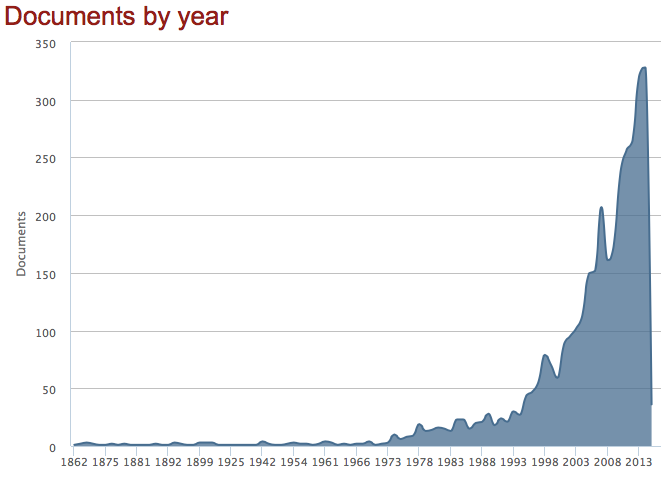
3051 published articles since 1862, 40% of these published in the last 5 years.
Top Journals publishing on “Rugby”

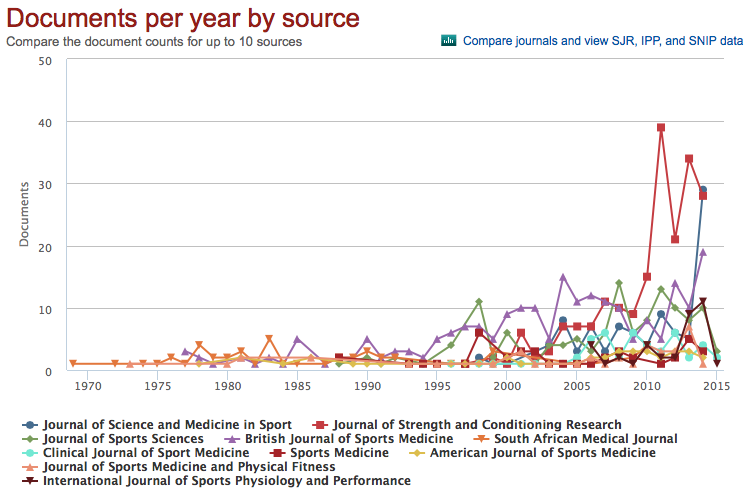
Top journals publishing in rugby are BJSM, JSCS, JSS, and JSMS. SAMJ was the first journal to publish on rugby, BJSM the most consistent, and JSCS the most number of publications in the last 5 years.
Top Authors publishing in “Rugby”
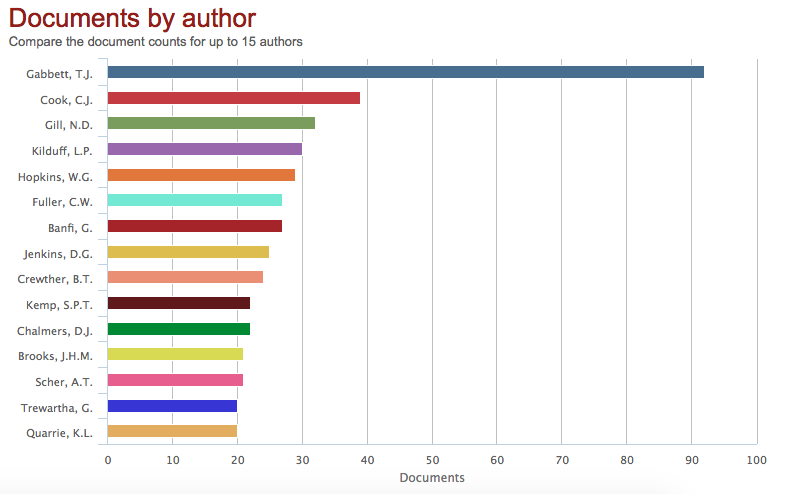
Most published author in rugby- Tim Gabbett (Gabbett Performance)-no surprise there. The head S&C coach of the top performing team in the world, Nicholas Gill, is the 3rd most published author in rugby research. This says something.
Top affiliations publishing in “Rugby”
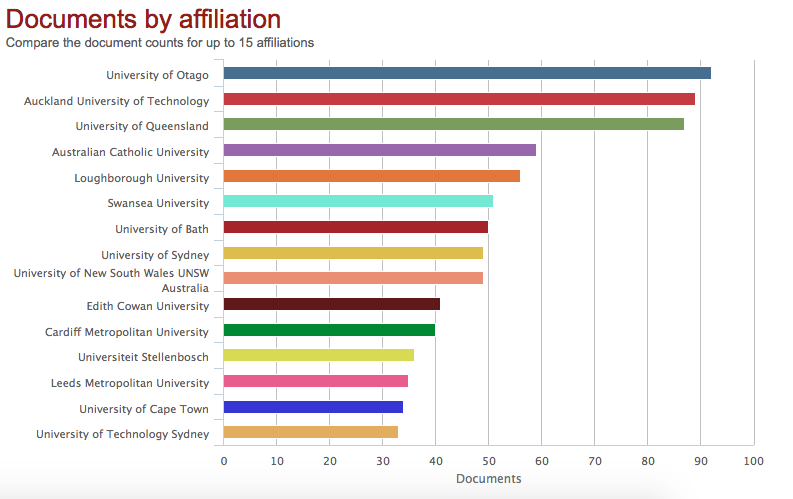
Top countries publishing in “Rugby”
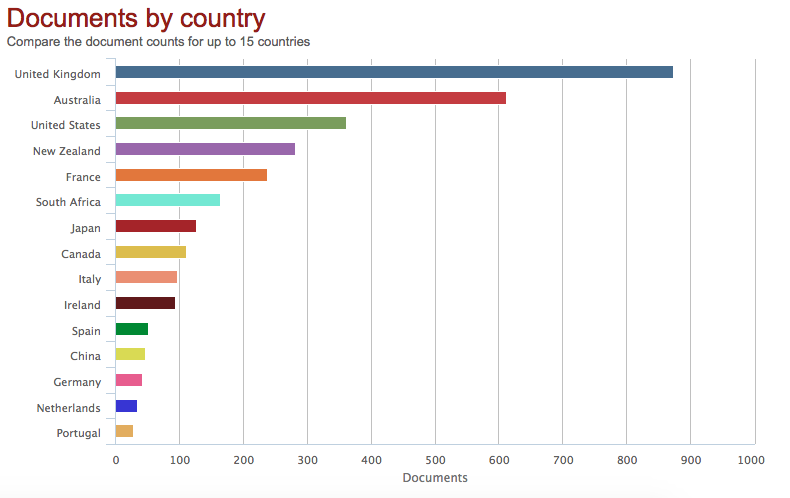
We did the same search for “Rugby Union”. Using this search term will only output papers containing “Rugby Union” in the title, abstract or part of the keywords.
Number of articles published on “Rugby Union”
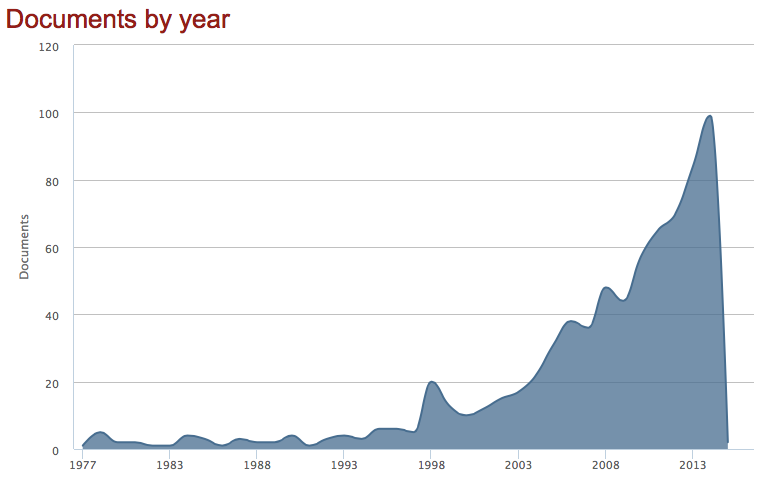
742 articles. Approximately 50% published in the last 5 years.
Top Journals publishing on “Rugby Union”
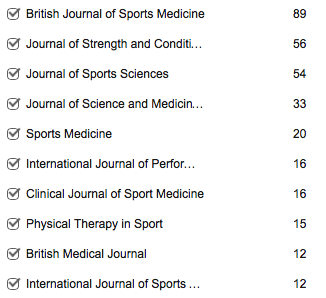
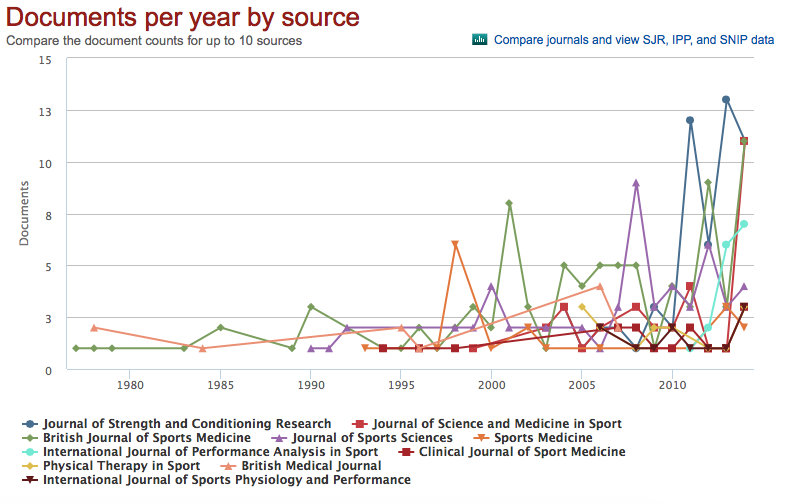
Top Authors publishing in “Rugby Union”
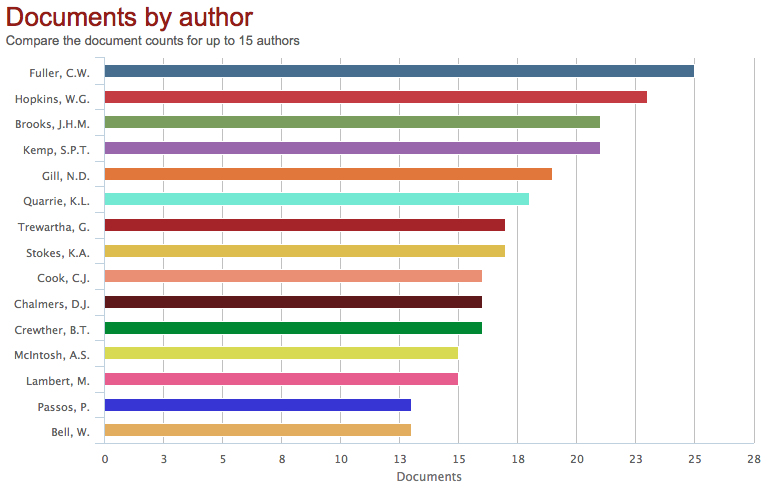
Top affiliations publishing in “Rugby Union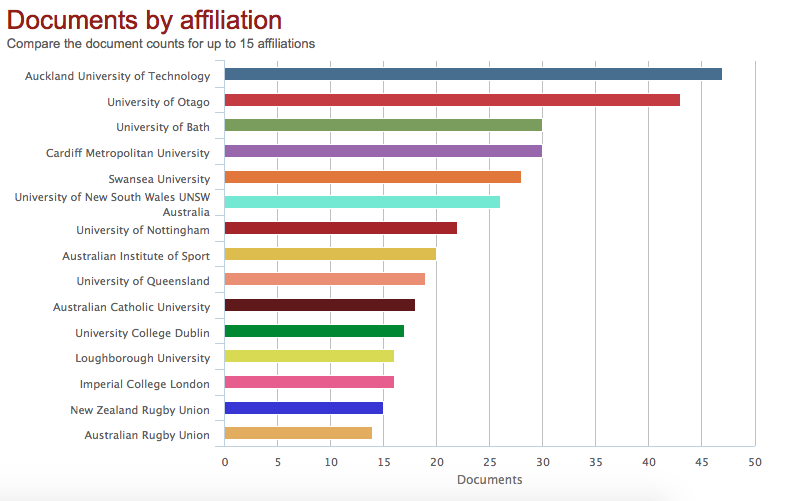 Top countries publishing in “Rugby Union”
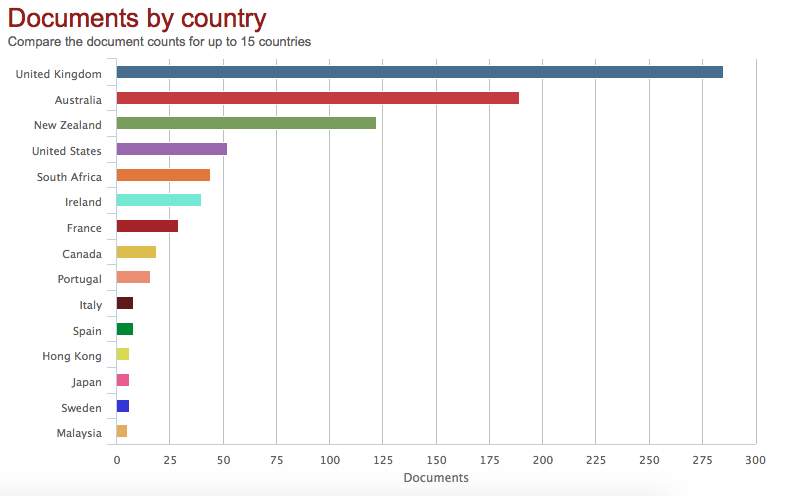
I have a particular interest in the tackle situation. So, I did a search for “Rugby” AND “tackle”. Below are the results…
Number of articles published on “Rugby” AND “tackle”
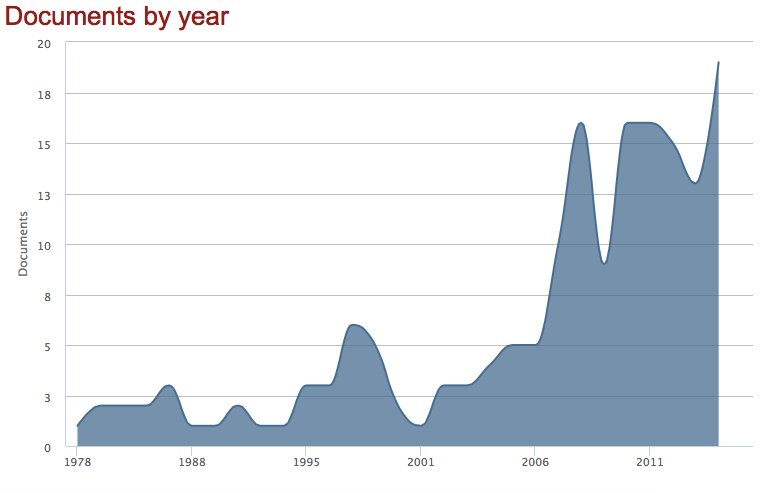 170 articles. Approximately 46% published in the last 5 years.
Top Journals publishing on “Rugby” AND “tackle”
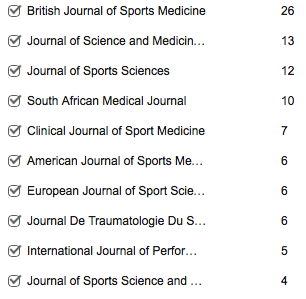
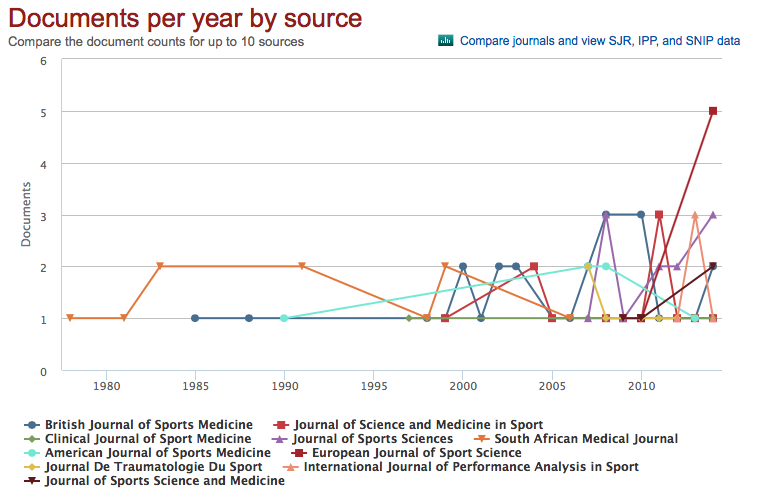
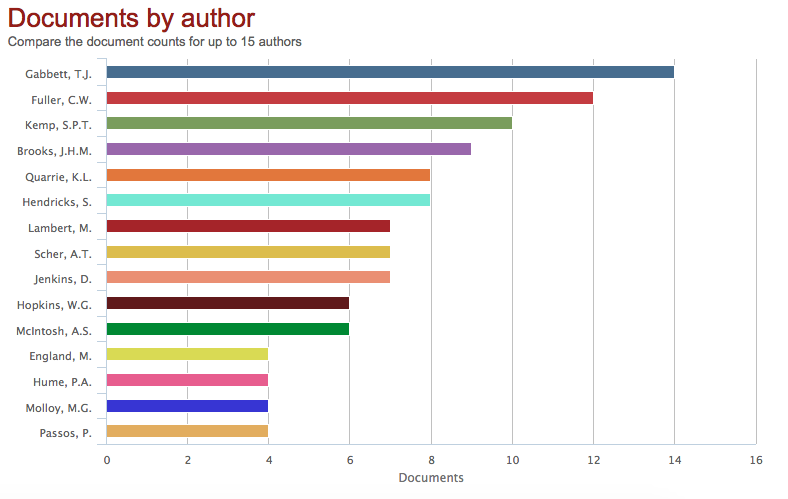
Top authors publishing on “Rugby” AND “tackle”
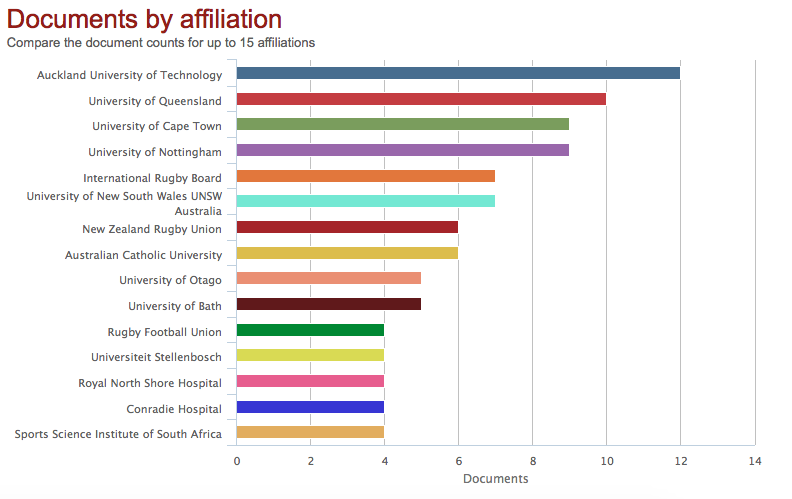
Top affiliations publishing on “Rugby” AND “tackle”
Top countries publishing on “Rugby” AND “tackle”
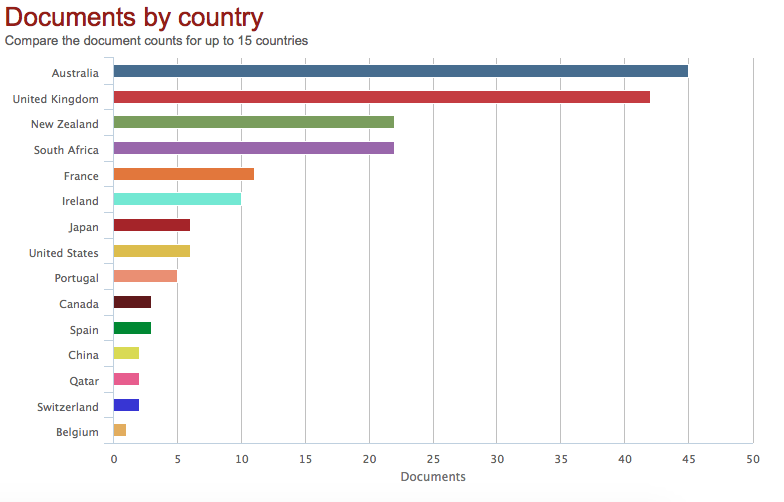
We could do the same searches for any aspect of the sport really (for example, the scrum).
Although research in rugby may be growing at a rapid pace, rugby (league and union combined) is still behind other team sports like football (I did a small search on “football” OR “soccer” and Scopus produced 26941 papers), and there is plenty of scope for research (not too sad about this). There are obvious products from this body of work (better conditioned players, more knowledgeable coaches, reducing the risk of injury, etc), but in terms of conducting research, the exponential increase in rugby research somewhat forces scientists to be creative, and highly applied in their studies.
Sharief Hendricks
Contact Skills, Ecological Validity & Representative Design
Dynamical systems theory proposes that team sport is a complex system, with many independent, but interacting components that vary over space and time. Here, skill learning and execution are the functionality of the player-environment, where the constantly changing environment affords the player(s) opportunities to act. It is ultimately the ability of the player to interact and adapt with the changing environment (this includes teammates, and opposition players) and the constraints of the task to achieve its purpose (for example, beating the attacker). Based on this theory, the task and environmental constraints of training or testing should provide valid perceptual cues and be representative of the conditions in a competitive match environment.
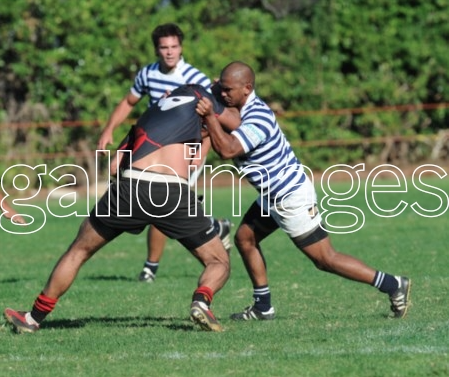
Photo by Peter Heeger / Gallo Images
Ecological validity refers to the empirical relationship between a cue (i.e. perceptual variable) or a series of imperfect cues to infer or predict future actions towards achieving a goal. In other words, this is the way in which skilled players use available information or cues from their opponents and environment to predict future actions before their own movements are initiated.
Representative design refers to the arrangement of conditions and constraints of an experimental, learning, or testing environment so that the conditions or constraints represent the performance environment to which the results are intended to apply.
Skills and actions executed in a testing or training environment should be able to easily transfer to the performance environment (known as action fidelity).
Both ecological validity and representative design exist on a (distinct) continuous scale, and not in absolute terms . If full teams competing against each other are considered the complete system, sub-systems at different levels of interaction between teammates, opponents and the immediate task exist. The simplest of these subsystems is the interaction between an attacker and defender. From an ecological validity and representative design point of view, 1 vs 1 attacker and defender interactions are also the easiest to study. Building on from the 1 vs 1, to 3 vs 3, 5 vs 5 and so on, the interactions between teammates and opposing players become more complex, and perhaps harder to study from an ecological validity and representative design perspective. Furthermore, as one progress through the sub-phases, from 1 vs 1, to team vs team interactions, players’ behaviours become more stable and predictable as decisions may also be pre-planned based on team goals (i.e team tactics and strategy) and not the environment alone. This is not to say that player’s will not adapt to their immediate environment and act accordingly.
Player well-being during a training and testing is of utmost importance. Needless to say, that a skill training or testing should present a player with minimal risk of injury. Rugby is a full contact sport, with higher risk of injury compared to many other team sports . During a match, the correct execution of contact skills allows players to tolerate frequent high impact physical contact situations like the tackle.
Keeping ecological validity and representative design in mind, it should be noted that coaches and players are reluctant to engage in full, match-like contact for training or testing because of the risk of injury. With that said, contact skills are an essential part of safe participation and performance in Rugby, and therefore cannot be neglected.
Even though Dynamic Systems theory predicates that during competition a player’s movements are emergent and variable based on the affordances of the environment, it acknowledges the existence of an approximate movement pattern, which is stable and reproducible on separate occasions, but able to vary and adapt according to the situation. This notion is particularly important for contact skills, as failure to execute certain technical actions in contact increases the risk of injury and reduces the probability of success. In other words, controlled conditions with a focus on contact technique for contact skills will benefit both the advanced and developing player.
References
Pinder, R.A., Davids, K.W., Renshaw, I., and Araújo, D., Representative Learning Design and Functionality of Research and Practice in Sport, Journal of Sport and Exercise Psychology, 2011, 33(1), 146–155.
Araujo, D., Davids, K., and Passos, P., Ecological Validity, Representative Design, and Correspondence Between Experimental Task Constraints and Behavioral Setting: Comment on Rogers, Kadar, and Costall, Ecological Psychology, 2007, 19, 69-78.
Passos, P., Araújo, D., Davids, K., and Shuttleworth, R., Manipulating Constraints to Train Decision Making in Rugby Union, International Journal of Sports Science and Coaching, 2008, 3(1), 125–140.
Hendricks, S., and Lambert, M., Tackling in Rugby: Coaching Strategies for Effective Technique and Injury Prevention, International Journal of Sports Science and Coaching, 2010, 5(1), 117–136.
Hendricks, S., Lambert, M., Masimla, H., and Durandt J., Measuring Skill in Rugby Union and Rugby League as part of the Standard Team Testing Battery, International Journal of Sports Science and Coaching, 2015. In press.
Thoughts?
Sharief Hendricks
Fundamental movement skills and fundamental games skills are complementary pairs…
…and should be taught in complementary ways at all stages of skill development
- The binary logic that separates techniques from tactics, technique from skill, and tactics from skill
- The assumption that good technique will emerge as a natural process of adaptive play while playing games
- Children need fundamental movement skills before developing fundamental games skills
- Intrinsic – internal co-ordination patterns or techniques (repetition)
- Individual – immediate goal-directed tasks (drills)
- Interactive – Broader goal directed dynamics at the environmental level e.g. (small-sided games)
 Rugby Science